






Yunnan Mao Jian 2026
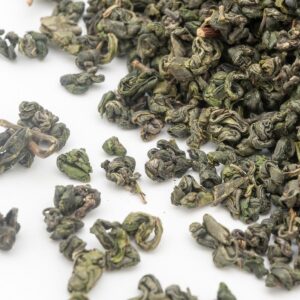
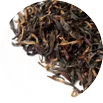
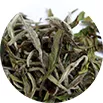
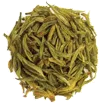
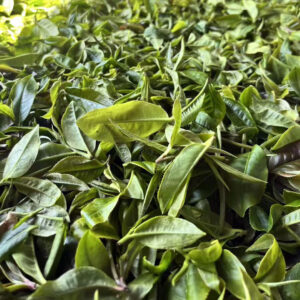
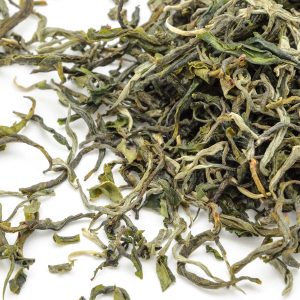
Svěží aromatický zelený čaj z výše položených zahrad hory Wu Liang Shan (1670 m.n.m.). Tmavozelený stejnoměrný list se znatelným podílem stříbřitých tipsů.List svěží vůně se stopou ovoce, nálev jiskřivé žlutozelené barvy, čerstvé silnější chuti s ovocným nádechem a typickou stopou vůně kaštanových květů.Aftertaste v dalších nálevech příjemně sládne a vyniká ovocnou chutí.
Lung Ching Xi Hu
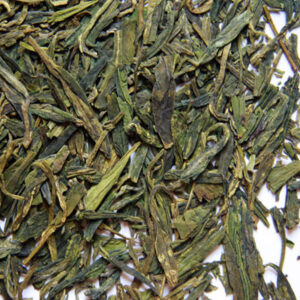
"Dragon Well from West Lake". Lake 'Xi Hu' is located near Hangzhou in eastern China. The monastery plantations around it were known from the time of the Classical Book of Tea by Lu Yüe (758 AD).Lung Ching belongs to spring teas and the best collection comes from the same period. The process of sorting, drying and roasting should be followed exactly for the production of real Lung Ching. The tea has flat leaves, a strong aroma and is sweet and beautifully fragrant in the infusion.
Gunpowder
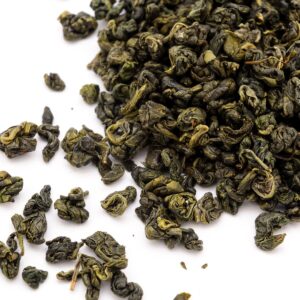
Gunpowder in the West, Zhu Cha (pearl tea) in China. It is an important export item, although it is not very popular in China itself. It is popular in the West due to its shape - the leaves are wrapped in small granules, which makes more tea reminiscent of gunpowder. Thanks to this, this tea is resistant to aging and absorption of odors (it is better transported). The infusion is yellow-green in color, tastes very strong and quite bitter, but contains a lot of healthy nutrients as well as other green teas, including tea polyphenols, zinc, flavonoids and fluoride. It is interesting in combination with mint and a lot of sugar - a drink known as "Le Tuareg".
Fu Ding Matcha
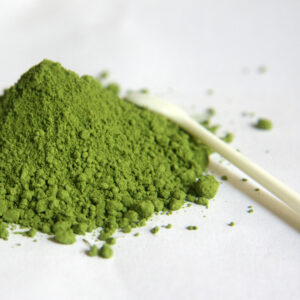
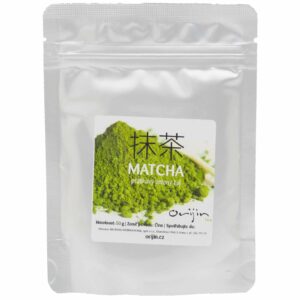
Very finely ground Chinese matcha green tea from gardens in the Fu Ding area (known mainly for white teas). Tea can be used both in the Japanese tea ceremony of chanoju and for informal home preparation or for various culinary purposes.Only the highest quality green tea leaves are used for production, which are slowly ground in stone mills after drying. With the help of gentle processing, the tea retains all the healthy substances contained and a very fresh aroma and taste.
Gou Qing
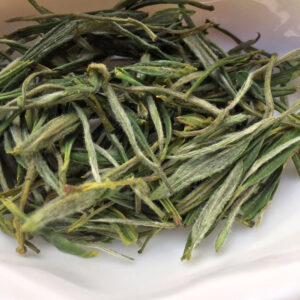
Huang Shan Mao Feng Ye Sheng
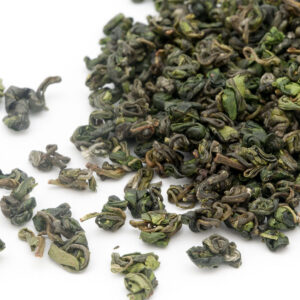
Lu Bao Shi
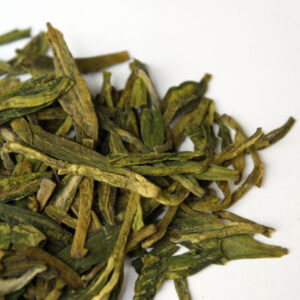
Lung Ching Shi Feng
"Lion's Top Dragon Well" - According to traditional Chinese view, the true Long Jing is supposed to have four characteristics (or four treasures) - a bright green color, a dense aroma, a saturated taste and a beautiful shape.Our Shi Feng has all these qualities in abundance. To better enjoy not only the taste, but also the look of this famous tea, we recommend using a glass teapot or tall glass to prepare it. The tea is watered with water around 80-85 ° C. Tea should be handled with care, it is better to prepare it softer to maintain its delicate rich aroma.
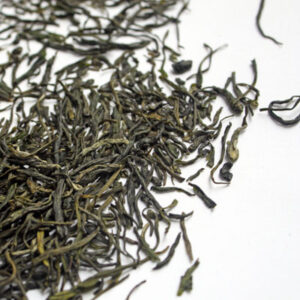
Meng Ding Mao Feng
"Fluffy peaks of the Meng Ding Mountains" as can be translated the name 'mao feng', popular and used for many teas. It is usually used to emphasize the quality of the leaf used, when the hairy tops - buds and leaves - are abundant.Dark green, larger, regularly twisted leaf with a strong, sweet aroma. In the cup, it develops in a full, strong taste with slightly fruity, fresh undertones with an aromatic and long-lasting aftertaste.
Bi Luo Chun Ji Pin
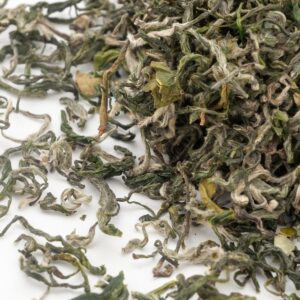
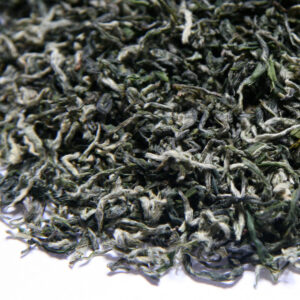
"Green Snail Springtime" - It is also known as the "One tenderness, three freshness", it's fragrant, strong, mellow, and bright in color. Floral and fruity, refreshing, with a special charm. The high grade of one of the ten most famous Chinese teas.Tender and pleasantly smoky taste with tones of honey and ripe fruit that leaves a long sweet aftertaste in the mouth. Very pleasant drink not only on summer days.
Chun Mee Special
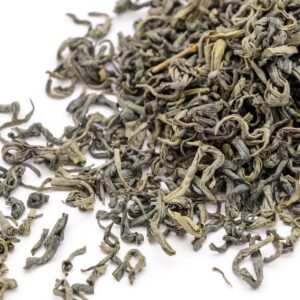
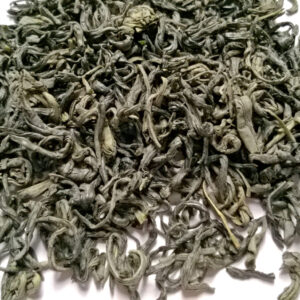
Chun Mee - "Rare eyebrows". Small to medium-sized leaves are slightly rolled into the shape of arches resembling eyebrows.The color of the dry leaf is gray-green, the infusion is yellow and the taste is pronounced with sweet tones, it suffers during longer leaching. One of the basic green teas for everyday life.