








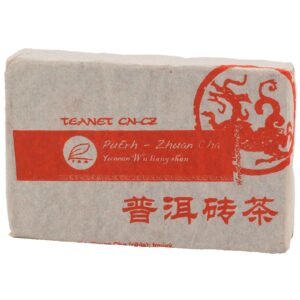
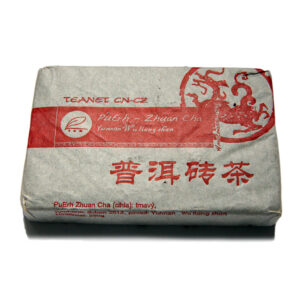
Teanet 2012 Wu Liang Shan Zhuan Cha 250g
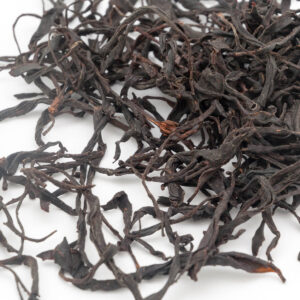
Tian Mu Hong Cha
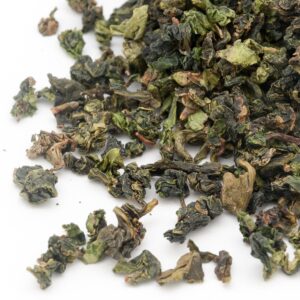
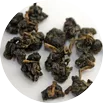
Tie Guan Yin Superior
"The Iron Goddess of Mercy," or the Bodhisattva Guan Yin. One of the most famous Chinese teas ever.The leaves are relatively thick, juicy and large, the infusion gives a rich green-yellow color. In the traditional Chinese concept, tea has most of what is called the orchid quality of taste & aroma. Basic Tie Guan Yin variety roasted to 25% to achieve a more pronounced and richer taste.
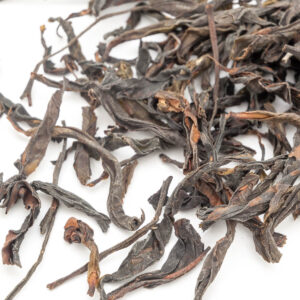
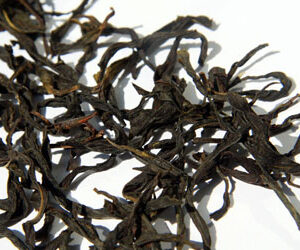
Ya Shi Dao Hua Xiang
An excellent tea with a traditional but not very tempting name - "The smell of duck droppings". The tea itself has one of the most amazing aromas that Dan Cong type teas can offer - delicious and full at the same time, charming, reminiscent of rice flowers, smooth and very sweet with complex floral tones and a long-fading aftertaste.
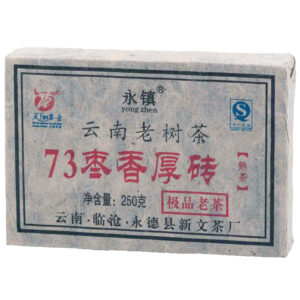
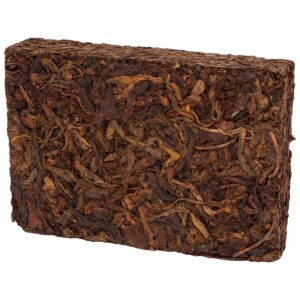
Yong Zhen 2017 Zhuan Cha 250g
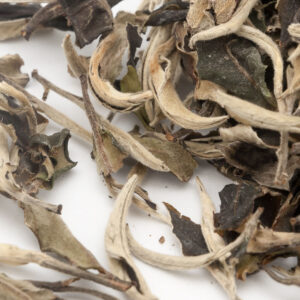
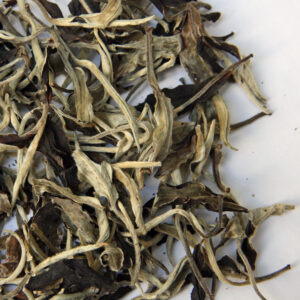
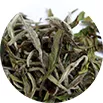
Yue Guang Bai “White Moonlight”
"White moonlight" - known as 'white pu-erh' - a special green (sheng) pu-erh with a difference in processing, where the leaves are allowed to fade at night after harvest, instead of in the sun, as is usual in maocha. A large proportion of dull silvery, large hairy tips gives the tea an attractive appearance.The color of the infusion is yellowish and smells mostly of herbs with a little fruit. The taste is sweet, very complex and develops with each subsequent infusion, with a bit of bitterness gradually appearing and encouraging the distinctive flavors typical of green (sheng) pu-erhas.
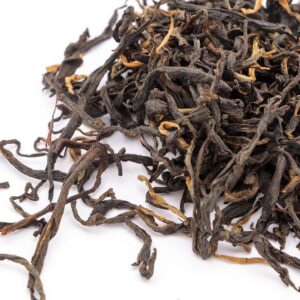
Yunnan Da Ye
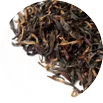
Yunnan Hong Cha [jun-nan hong ča] - Basic and most common Chinese red tea. In China, all middle-class red teas from Yunnan belong to this group. The only condition is the production of teas from the Yunnan Da Ye cultivar, ie a large-leaved variety of the Yunnan tea tree. The higher the proportion of golden tips, the higher the tea, the smoothness is less welcome - it means a higher drying temperature and thus faster tea production.The color of the infusion is orange-red to light brown, the tea smells like prunes, the taste is full, massive, when properly prepared, it is not bitter at all, aftertaste is significantly sweet to honey. Excellent tea for a great price.
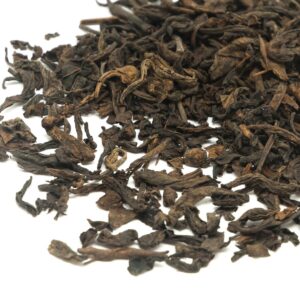
Lao Mao Cha 1992
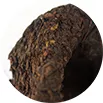
Mao Cha from 1992 is a successful Pu Erh with a taste of quality, naturally matured Mao Cha. The aroma and taste are typically sweetly earthy, the taste is slightly smelled of dried fruit. The tea does not have roasted tones (quality production process) and is very delicate.Infusion of dark orange to red color, sweet with a long refreshing aftertaste.
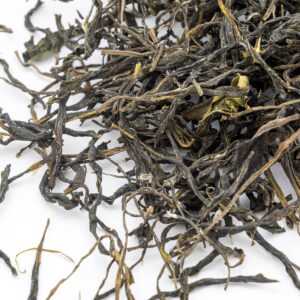
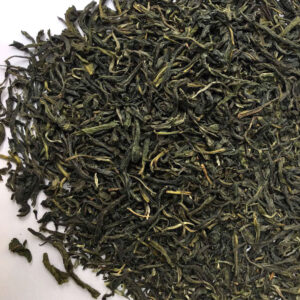
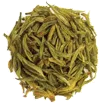
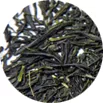
Lu Xue Ya
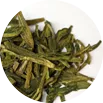
"Green snow" is a relatively new type of tea, which began to be produced in 2003. Longitudinally rolled leaves have an emerald color and a fresh green aroma.The emerald green infusion is full of dense, balanced and slightly baked taste in other infusions with a slightly sweet aftertaste. Tea can be prepared only in relatively cold water. The leaching time must then be extended to at least 7 minutes. You can easily prepare a delicious and refreshing 'ice tea' on hot summer days.
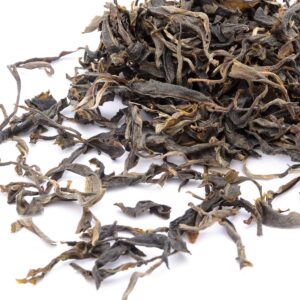
Maocha 2020
Green (sheng) pu-erh or even better maocha from the southern areas of Yunnan. Large leaves (Da Ye) smell thin and very fresh. Tea has traditionally been dried in the sun, without accelerated modern drying in the oven, and therefore does not contain the slightest hint of unpleasant smoked.The taste is very delicate, sweet and, unlike classic green pu-erhas, it doesn't even have many fruity tones. You will find in it rather light sweetness and freshness, floral tones and long-lasting gentle aftertaste.
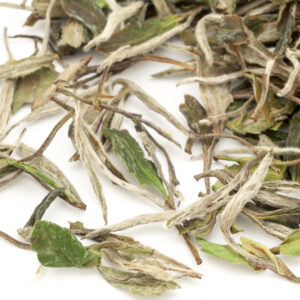
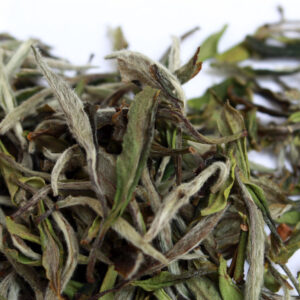
Pai Mu Tan Ji Pin
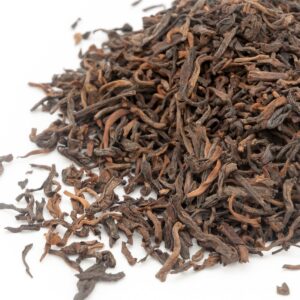
Pu Erh Superior
The upper class of Pu'er. The dry leaf is small, evenly rolled and belongs to superior. The scent is exactly what the right Pu'er should have, you can feel the freshness and sweetness of the Yunnan fruit trees. The taste is the sweetness of nuts, the sweetness of dried fruit, aftertaste is long, soft and pleasant.New batch of Meng Hai - in the dry leaf you can still find a 'new scent from production' which disappears after pouring and also naturally develops from the tea over time.