



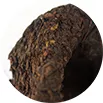





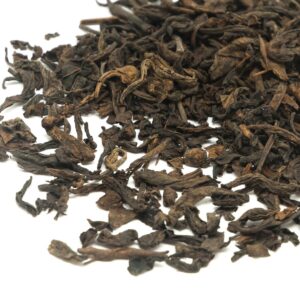
Lao Mao Cha 1992
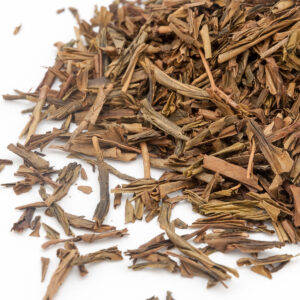
Mao Cha from 1992 is a successful Pu Erh with a taste of quality, naturally matured Mao Cha. The aroma and taste are typically sweetly earthy, the taste is slightly smelled of dried fruit. The tea does not have roasted tones (quality production process) and is very delicate.Infusion of dark orange to red color, sweet with a long refreshing aftertaste.
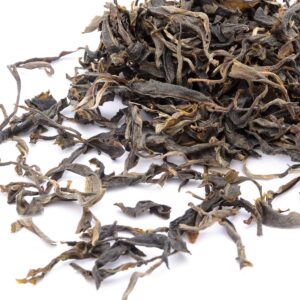
Maocha 2020
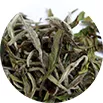
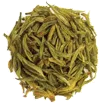
Green (sheng) pu-erh or even better maocha from the southern areas of Yunnan. Large leaves (Da Ye) smell thin and very fresh. Tea has traditionally been dried in the sun, without accelerated modern drying in the oven, and therefore does not contain the slightest hint of unpleasant smoked.The taste is very delicate, sweet and, unlike classic green pu-erhas, it doesn't even have many fruity tones. You will find in it rather light sweetness and freshness, floral tones and long-lasting gentle aftertaste.
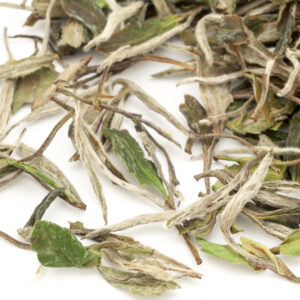
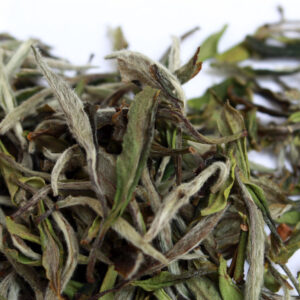
Pai Mu Tan Ji Pin
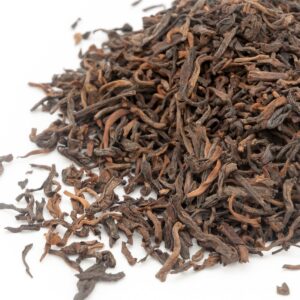
Pu Erh Superior
The upper class of Pu'er. The dry leaf is small, evenly rolled and belongs to superior. The scent is exactly what the right Pu'er should have, you can feel the freshness and sweetness of the Yunnan fruit trees. The taste is the sweetness of nuts, the sweetness of dried fruit, aftertaste is long, soft and pleasant.New batch of Meng Hai - in the dry leaf you can still find a 'new scent from production' which disappears after pouring and also naturally develops from the tea over time.
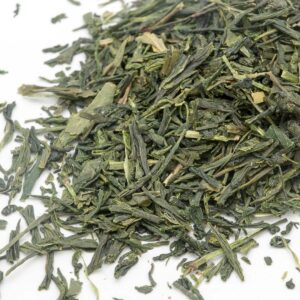
Zheng Shan Xiao Zhong
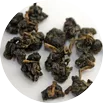
"Lapsang Souchong", or "smoked tea". A traditional, handmade tea specialty from the Wu Yi Mountains of Fujian Province. Infusion very pleasant and strong, smooth, noble smoky taste with tones of dried fruit. The aroma of pine wood and needles, typical and desirable for this tea, is fully represented and harmoniously combines with the character of the tea as a whole, from which one can already recognize the authenticity and traditional production process.
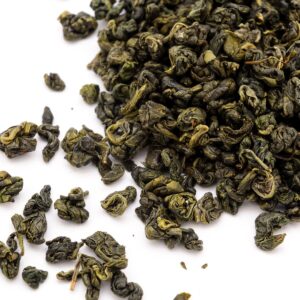
Gunpowder
Gunpowder in the West, Zhu Cha (pearl tea) in China. It is an important export item, although it is not very popular in China itself. It is popular in the West due to its shape - the leaves are wrapped in small granules, which makes more tea reminiscent of gunpowder. Thanks to this, this tea is resistant to aging and absorption of odors (it is better transported). The infusion is yellow-green in color, tastes very strong and quite bitter, but contains a lot of healthy nutrients as well as other green teas, including tea polyphenols, zinc, flavonoids and fluoride. It is interesting in combination with mint and a lot of sugar - a drink known as "Le Tuareg".