





Ye Sheng 野生: wild or undomesticated; a term used for tea trees growing freely and without interference.
Dian Hong 滇红: literally Yunnan Red: originally this referred only to hongcha from Fengqing, but now it is usually applied to any Yunnan hongcha.
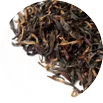
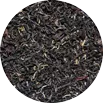
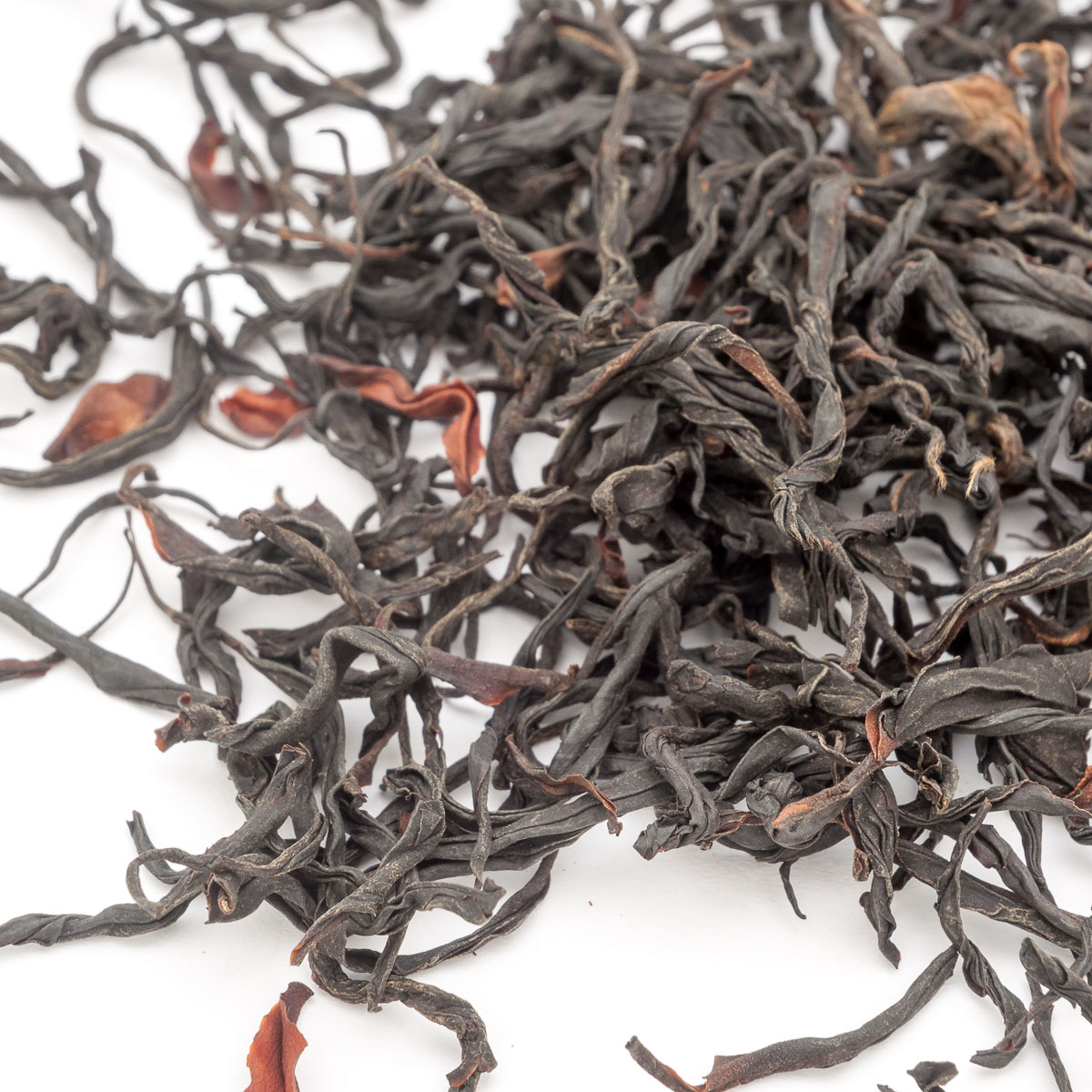
“Wild Yunnan” – juicy red tea from wild tea trees of the Yunnan large-leaved variety.
Thicker and larger leaves, fewer tips, but even more taste and infusion. Typical sweet aromas and intense fruit flavors with hints of malt and prunes or apricots.
Ye Sheng 野生: wild or undomesticated; a term used for tea trees growing freely and without interference.
Dian Hong 滇红: literally Yunnan Red: originally this referred only to hongcha from Fengqing, but now it is usually applied to any Yunnan hongcha.
| Weight | N/A |
|---|---|
| Origin | |
| Place | |
| Harvest | |
| Designation |
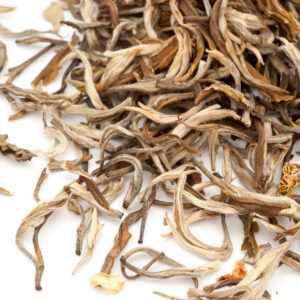
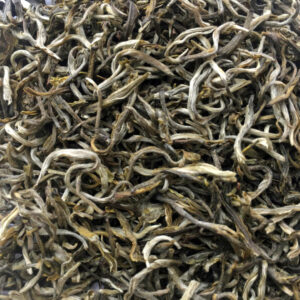
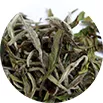
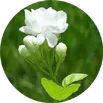
"Snow Falling on Jade-Green Pool" - a beautifully poetic name hides a high-quality green tea from the early spring harvest from Mount Meng Ding which was richly scented with the best autumn jasmine, even in a ratio of 5: 1 (5 kg of jasmine flowers were used per 1 kg of tea).
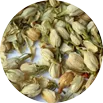
Jasmine flowers are also abundant in the tea itself (although they no longer add other aromas - they have an aesthetic effect and give meaning to the poetic name of the tea).
The tea is a distinctly jasmine-sweet fruit flavor with a rich aroma that lasts for many pours.
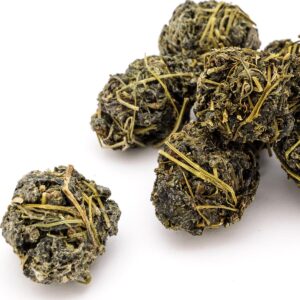
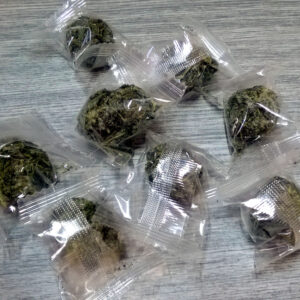
Ceratophyllum or Gynostemma is a climbing plant from the pumpkin family, which originated in southern China. Low temperature resistance to -15°C. In winter, the above-ground part disappears, but reappears in spring. It can also be planted in pots. This plant is sometimes called five-leaf ginseng or southern ginseng; it has nothing to do with real ginseng (Panax ginseng).
No account yet?
Create an Account