





| Weight | N/A |
|---|---|
| Origin | |
| Place | |
| Harvest |
Dung Ding Supergrade
“Frozen top” in the traditional, there will be more baking during processing.
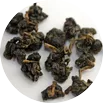
Beautifully processed tea right from the surroundings of the village of Nantou, ie the ‘birthplace’ of excellent Dung Ding tea. Even tea leaf balls are processed from the Qing Xin cultivar.
The tea gives off a fresh scent of classic Taiwanese oolongs. Sweet, tender and fruity – apricots, peaches, sweet tropical fruits – you will find it all in this tea! Or flowers – flowering meadows and fields. After smelling the tea, associations are formed for a summer meadow, paintings of a flowering garden and fruit trees.
The tea in the infusion is rich and dense, the aroma is more floral, very sweet. The taste is tender, incredibly honey with a milky consistency.
Additional information
Related products
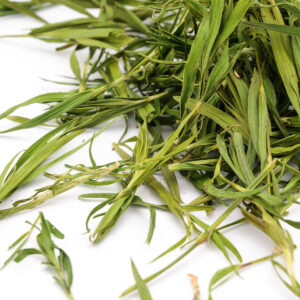
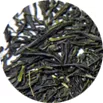
Bamboo Leaf (zhu ye)
Bamboo leaves from Lao Shan in Shandong Province. In Chinese medicine, it is traditionally used against fever and heat, it also has an anti-inflammatory and beneficial effect on the kidneys, it is diuretic, removes mucus and has a relaxing effect on veins. Overall, it cleanses the airways, refreshes and quenches thirst, so it is very suitable for drinking during the summer and hot days.
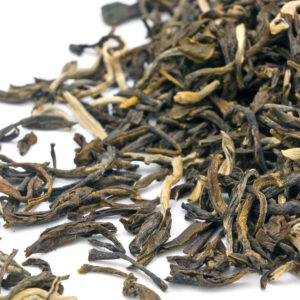
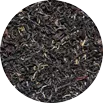
Hua Cha White King
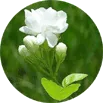
"White King"-Jasmine tea is produced in many provinces in China and is very popular (especially in the north of the country). The tea can be dried with jasmine and its odor can be absorbed, or the jasmine can be added directly to the tea. In this way, the tea acquires the aroma of jasmine, but still retains its original taste. Jasmine tea is light and pleasant. "White King" itself is a relatively high-quality green tea with rich fluff, but the addition of jasmine further improves its quality.
The white king we provide is mixed with fresh autumn jasmine in a ratio of 4:1 (gradually use 4 kg of jasmine per 1 kg of tea).
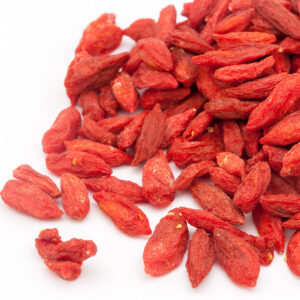
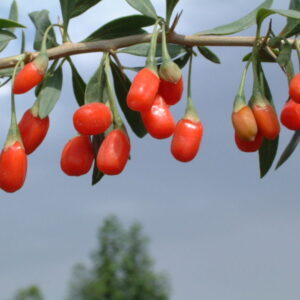
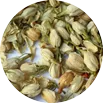
Lycium Chinense (goji)
Fresh, only lightly dried Lycium chinense (goji, wolfberries), which has been used throughout China for centuries.
The shape is a bit like raisins, the taste of the fruit is sweet with a slightly sour aftertaste.
In traditional Chinese medicine (TCM) and among ordinary Chinese, goji is considered an indispensable food supplement. It is known for its benefits to the human body, both in young and old age. No negative side effects are known.