


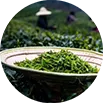
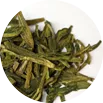
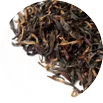
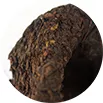
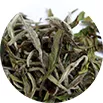
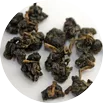

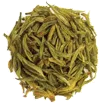



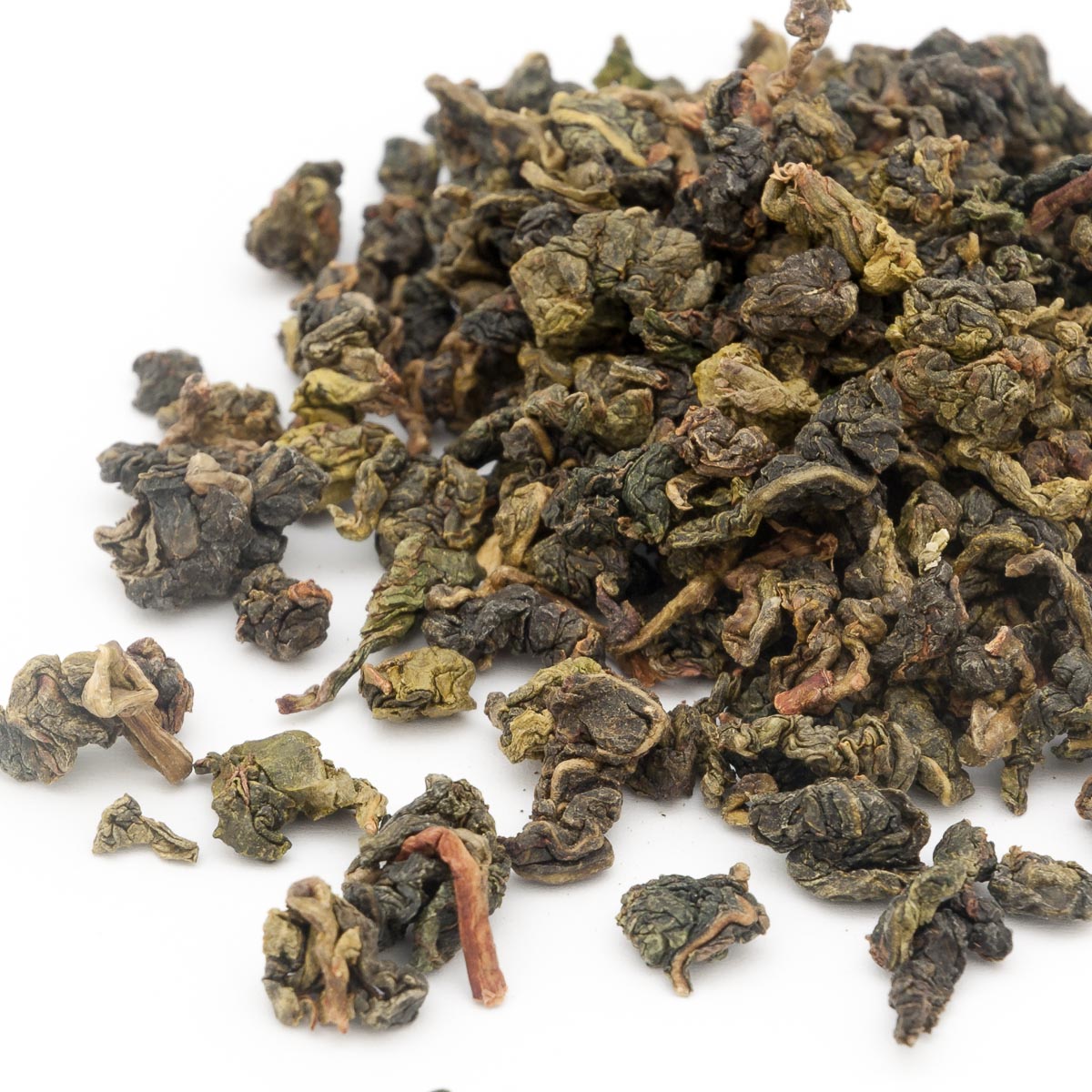
The traditional method of flavoring: at a certain stage of processing, tea is flavored with an extract (or pollen – every company or small household has its own procedures and very reluctantly reveals them) of osmanthus. Similar teas on the market can be very different – they can be very expensive and high quality or even cheap (cheap leaves and cheap extract).
Gui Hua
“Osmanthus” – Taiwanese oolong with the scent of osmanthus. There are several methods by which a similar tea aroma is achieved. Our Gui Hua is made by the traditional method.
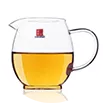
The infusion gives a yellow color with a thin scent full of osmanthus and citrus tones, slightly sour and refreshing, which will withstand many infusions.
Additional information
| Weight | N/A |
|---|---|
| Origin | |
| Place | |
| Harvest |
Related products
Five-leaved Ginseng (jiao gu lan)
Ceratophyllum or Gynostemma is a climbing plant from the pumpkin family, which originated in southern China. Low temperature resistance to -15°C. In winter, the above-ground part disappears, but reappears in spring. It can also be planted in pots. This plant is sometimes called five-leaf ginseng or southern ginseng; it has nothing to do with real ginseng (Panax ginseng).
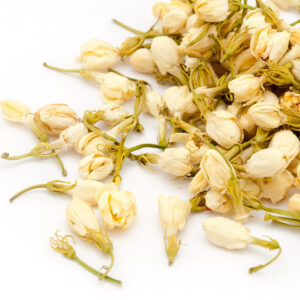
Jasmine Flower (mo li hua)
Dried jasmine flower (moli-hua), Jasminum Sambac. It comes from China, from where it spread further to Arabia and Persia and from there to Europe. It is an evergreen climbing plant or shrub, which grows to a height of 0.5-3 m. According to Chinese medicine, it improves eyesight and promotes smooth menstruation.
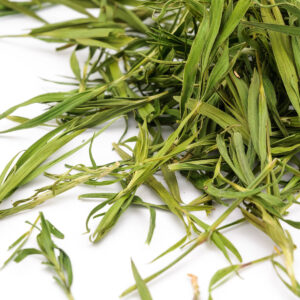
Bamboo Leaf (zhu ye)
Bamboo leaves from Lao Shan in Shandong Province. In Chinese medicine, it is traditionally used against fever and heat, it also has an anti-inflammatory and beneficial effect on the kidneys, it is diuretic, removes mucus and has a relaxing effect on veins. Overall, it cleanses the airways, refreshes and quenches thirst, so it is very suitable for drinking during the summer and hot days.