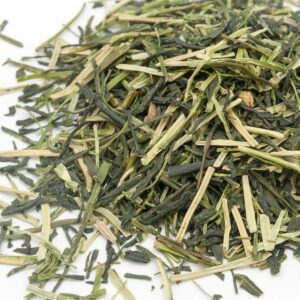



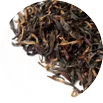
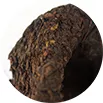
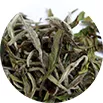
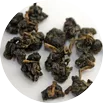

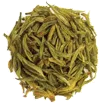



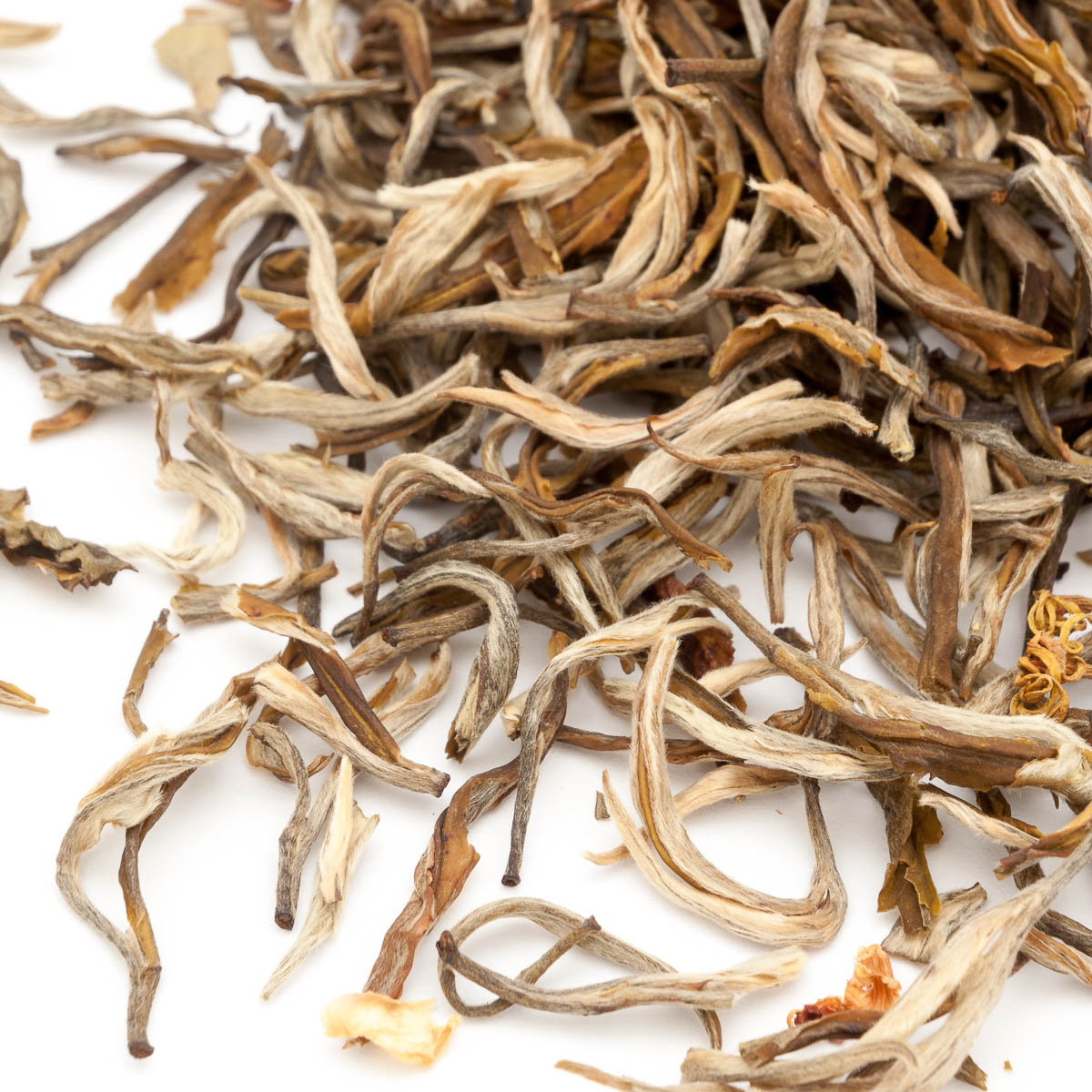
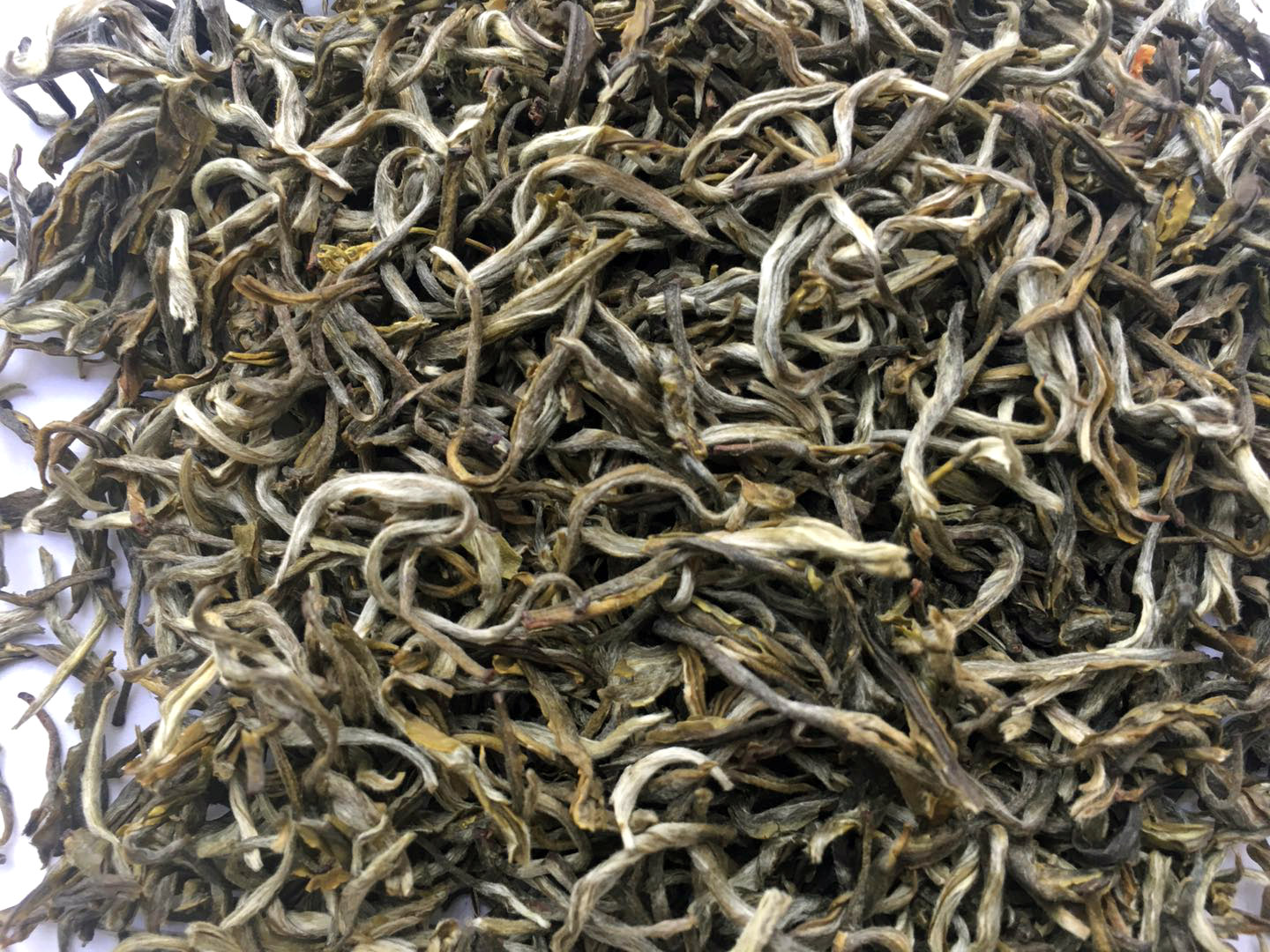
Ming Qian Cha – 明前茶 Before Qing Ming, i.e., harvested in early spring when the leaves are supposedly of the highest quality, assuming e.g. the cultivar has not been solely developed for an early pluck
Hua Cha Cui Ming
“Jasmine spring” – jasmine tea processed from Yunnan Cui Ming tea from the early spring harvest.
Infusion of yellow color with intense jasmine aroma with a hint of fruit, fresh jasmine taste with a sweet fruity aftertaste.
Additional information
| Weight | N/A |
|---|---|
| Origin | |
| Place | |
| Harvest | |
| Cultivar | |
| Character |
Related products
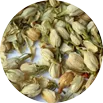
Jasmine Flower (mo li hua)
Dried jasmine flower (moli-hua), Jasminum Sambac. It comes from China, from where it spread further to Arabia and Persia and from there to Europe. It is an evergreen climbing plant or shrub, which grows to a height of 0.5-3 m. According to Chinese medicine, it improves eyesight and promotes smooth menstruation.
Bamboo Leaf (zhu ye)
Bamboo leaves from Lao Shan in Shandong Province. In Chinese medicine, it is traditionally used against fever and heat, it also has an anti-inflammatory and beneficial effect on the kidneys, it is diuretic, removes mucus and has a relaxing effect on veins. Overall, it cleanses the airways, refreshes and quenches thirst, so it is very suitable for drinking during the summer and hot days.
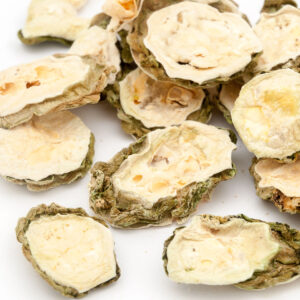
Momordica Charantia (ku gua)
Momordica charantia (ku gua) - creeping or creeping, pumpkin-like plant with herbaceous shoots up to 5 m long. Its tendrils are branched, leaves typically palmately five to seven-lobed, flowers unisexual, five-fold, yellow in color, with distinct veins. The fruits are 5-25 cm long, spindle-shaped, with a wrinkled surface, ripening yellow. The plant has been introduced to virtually all tropical areas.