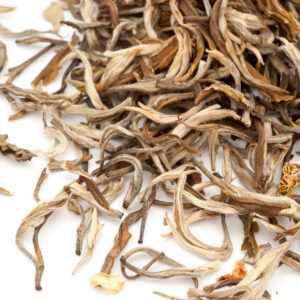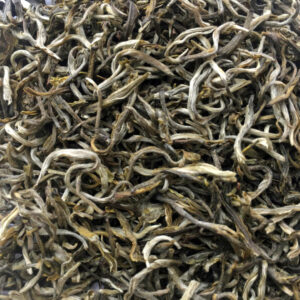



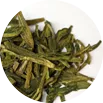
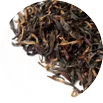
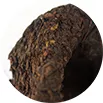
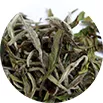
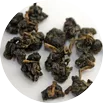

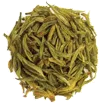
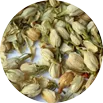





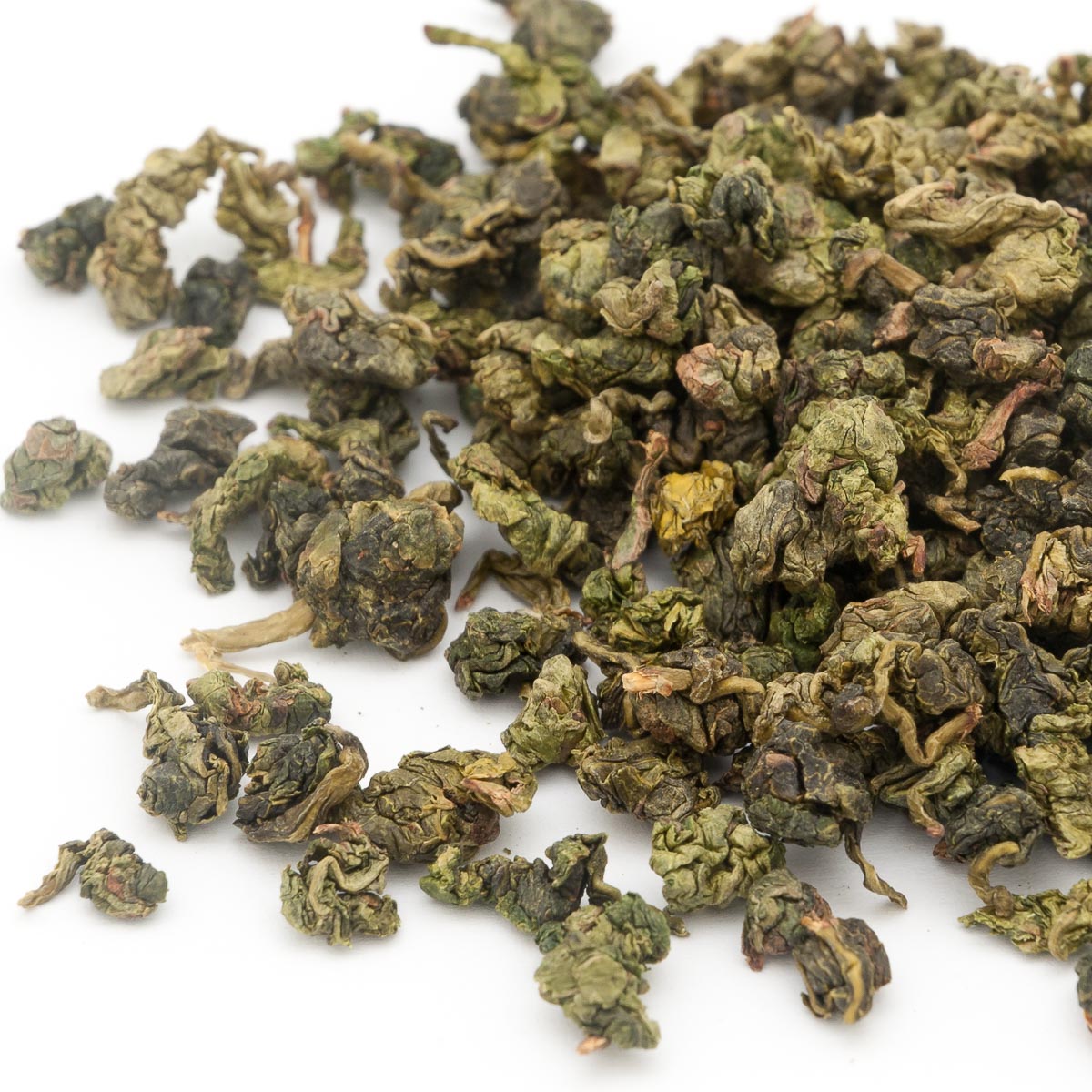
Huang Jin Gui originated a little later than the more famous Tie Guan Yin – only in the 19th century. According to legend, the first bushes of this tea with longer yellowish leaves were donated by a Taoist to the wedding of the newlyweds from the Yan and Wei families, which is considered a very generous and good gift. The tea from these shrubs had such a bright golden color, a wonderful taste and, most importantly, an aroma reaching the sky that it was immediately given another name – Huang Dan or “Golden Excellence”. The leaves are processed according to Tie Guan Yin technology, but the variety is different. The leaf is finer and mainly smaller (they are no longer ‘dragonfly heads’ but rather smaller balls).
Huang Jin Gui
“Golden Cinnamon” – A wonderful tea from the famous mountain area of An Xi. The tea is very expressive and floral, but not only that – you will also find mountain herbs, wild strawberries and thick caramel sweetness.
Related products
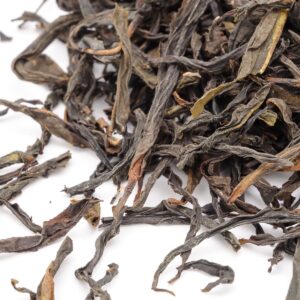
Huang Zhi Xiang
The aroma of tea is sweet and fruity, floral, citrus and peach aromas. In more and more brewing processes, the color of the infusion changed from soft golden pink to amber. The taste is obviously fruity, sweet and refreshing. The aftertaste is strong honey with a gooseberry hue.
This tea can withstand many brews and is definitely one of the most unique teas in our collection at an affordable price, but it is also of high quality.
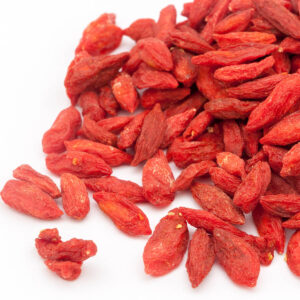
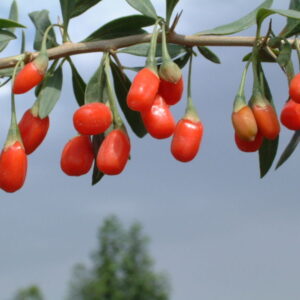
Lycium Chinense (goji)
Fresh, only lightly dried Lycium chinense (goji, wolfberries), which has been used throughout China for centuries.
The shape is a bit like raisins, the taste of the fruit is sweet with a slightly sour aftertaste.
In traditional Chinese medicine (TCM) and among ordinary Chinese, goji is considered an indispensable food supplement. It is known for its benefits to the human body, both in young and old age. No negative side effects are known.
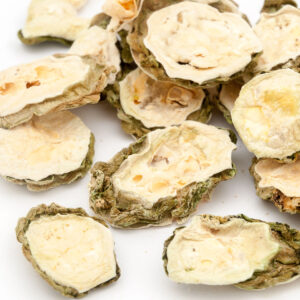
Momordica Charantia (ku gua)
Momordica charantia (ku gua) - creeping or creeping, pumpkin-like plant with herbaceous shoots up to 5 m long. Its tendrils are branched, leaves typically palmately five to seven-lobed, flowers unisexual, five-fold, yellow in color, with distinct veins. The fruits are 5-25 cm long, spindle-shaped, with a wrinkled surface, ripening yellow. The plant has been introduced to virtually all tropical areas.