










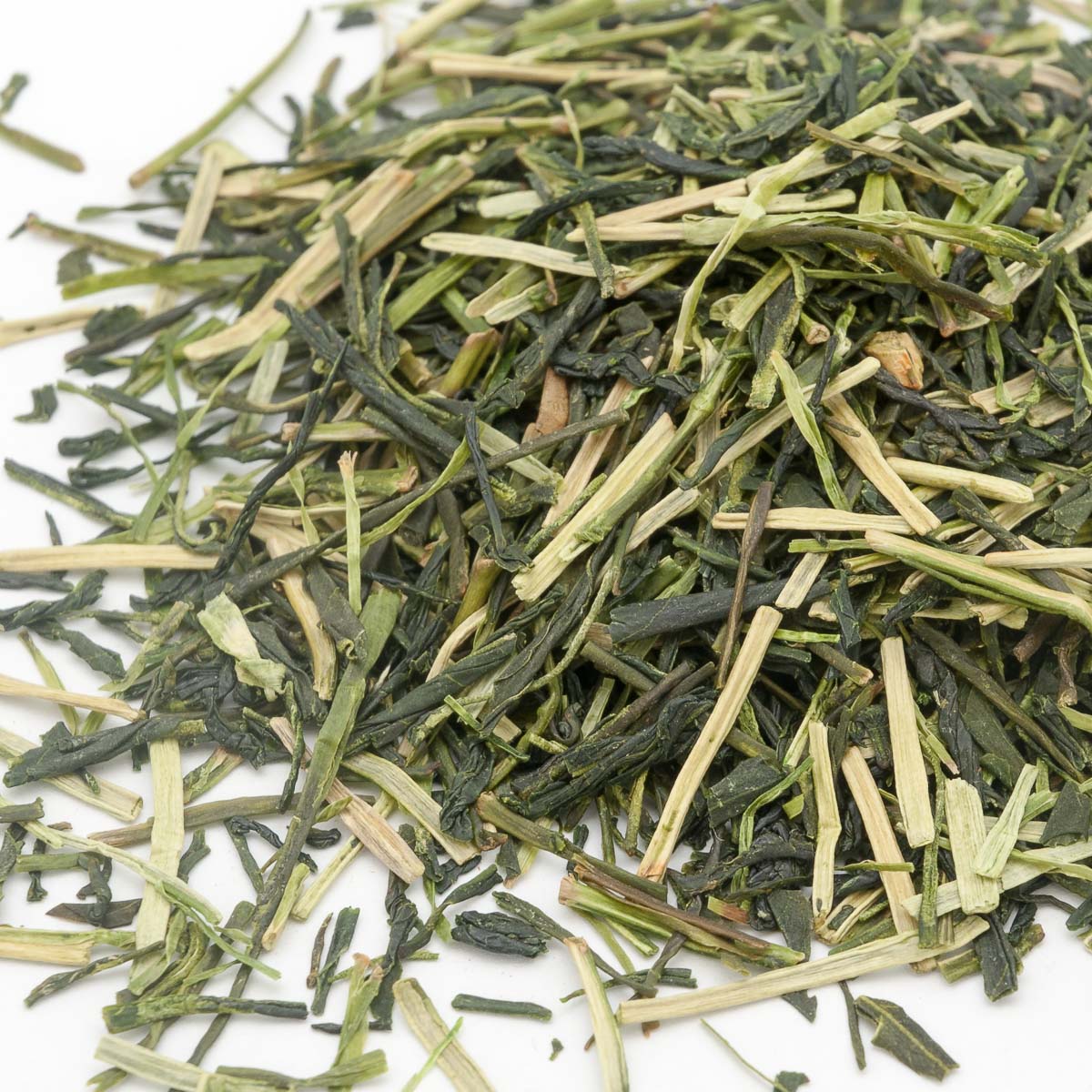
Kukicha
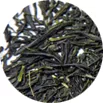
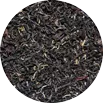
Traditional Japanese tea varieties process not only leaves but also petioles. Therefore, the tea has the characteristics of freshness, sweetness and low caffeine content.
Related products
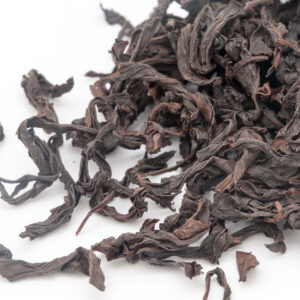
Shui Xian Superior
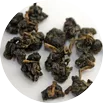
'Narcissus from the Wu Yi Mountains' - one of the most famous cliff (yancha) oolongs. It is made from the cultivar of the same name, which is harvested in late spring.
The tea soup is brown-orange, with a strong aroma, a richer taste, and a fruity sweet aftertaste. For a given price, this is also a very delicious tea, thanks to its mass production.
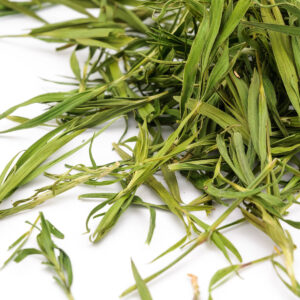
Bamboo Leaf (zhu ye)
Bamboo leaves from Lao Shan in Shandong Province. In Chinese medicine, it is traditionally used against fever and heat, it also has an anti-inflammatory and beneficial effect on the kidneys, it is diuretic, removes mucus and has a relaxing effect on veins. Overall, it cleanses the airways, refreshes and quenches thirst, so it is very suitable for drinking during the summer and hot days.
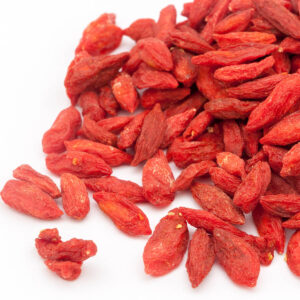
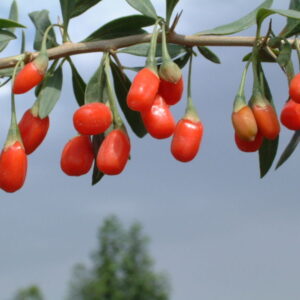
Lycium Chinense (goji)
Fresh, only lightly dried Lycium chinense (goji, wolfberries), which has been used throughout China for centuries.
The shape is a bit like raisins, the taste of the fruit is sweet with a slightly sour aftertaste.
In traditional Chinese medicine (TCM) and among ordinary Chinese, goji is considered an indispensable food supplement. It is known for its benefits to the human body, both in young and old age. No negative side effects are known.