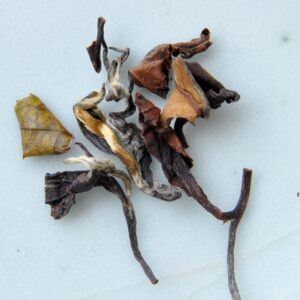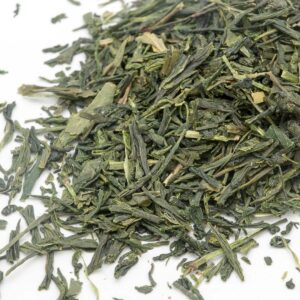


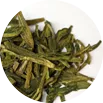
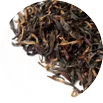
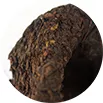
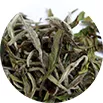
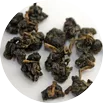

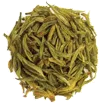
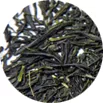
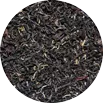
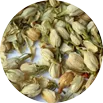




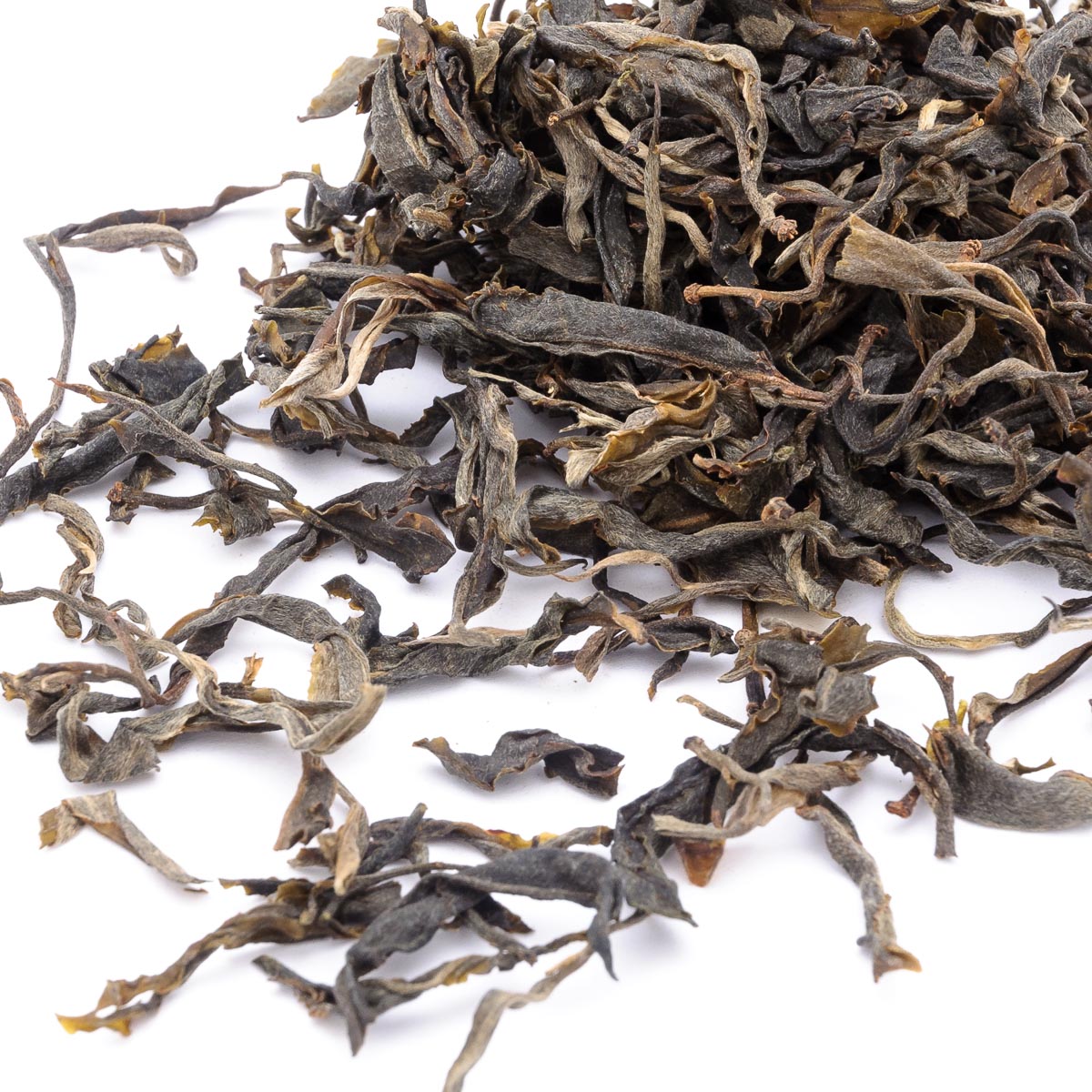
Mao Cha 毛茶 [mao ča] – – literally ‘hairy tea’. In this context, however, the word ‘mao’ should be translated more as ‘crude’, ‘raw’ or ‘unfinished’. The term Mao Cha refers to a pu-erh semi-finished product which is formed at a certain stage of production of any pu-erh. For its production, it is then necessary that the semi-finished product (maocha) is dried in the sun (there are several drying procedures – they determine the quality and taste of tea). This technological step has only one purpose – shaqing. After this step, the tea loses its grassy flavor and fresh green color, on the contrary, it gets soft.
Maocha 2020
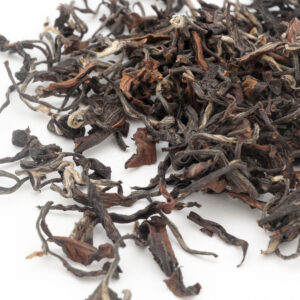
Green (sheng) pu-erh or even better maocha from the southern areas of Yunnan. Large leaves (Da Ye) smell thin and very fresh. Tea has traditionally been dried in the sun, without accelerated modern drying in the oven, and therefore does not contain the slightest hint of unpleasant smoked.
The taste is very delicate, sweet and, unlike classic green pu-erhas, it doesn’t even have many fruity tones. You will find in it rather light sweetness and freshness, floral tones and long-lasting gentle aftertaste.
Additional information
| Weight | N/A |
|---|---|
| Origin | |
| Place | |
| Harvest |