
Termín Ming Qian Cha – 明前茶 Before Qing Ming, i.e., harvested in early spring when the leaves are supposedly of the highest quality, assuming e.g. the cultivar has not been solely developed for an early pluck. It literally means teas harvested before the spring festival of Qing Ming-清明 (early April).
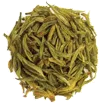
Meng Ding Gan Lu
Please, login to see prices and buy
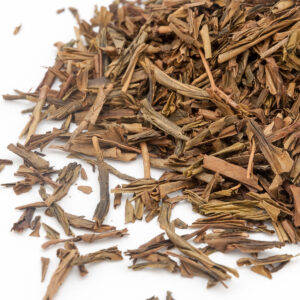
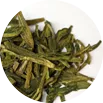
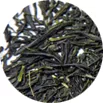
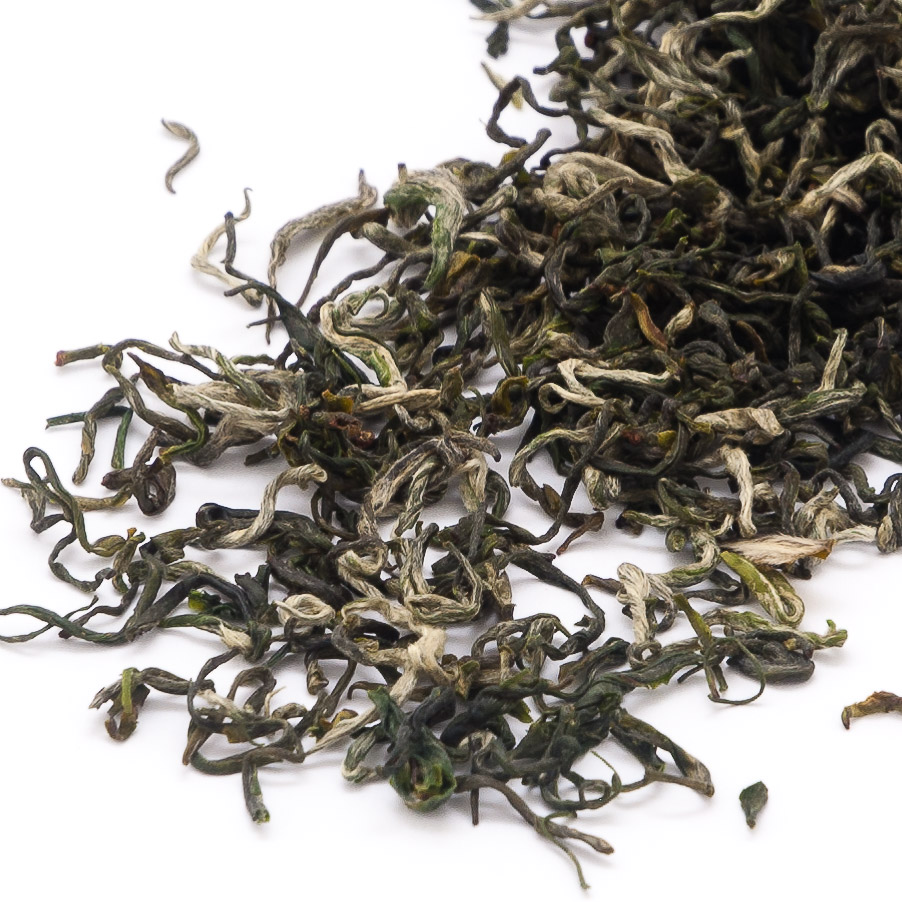
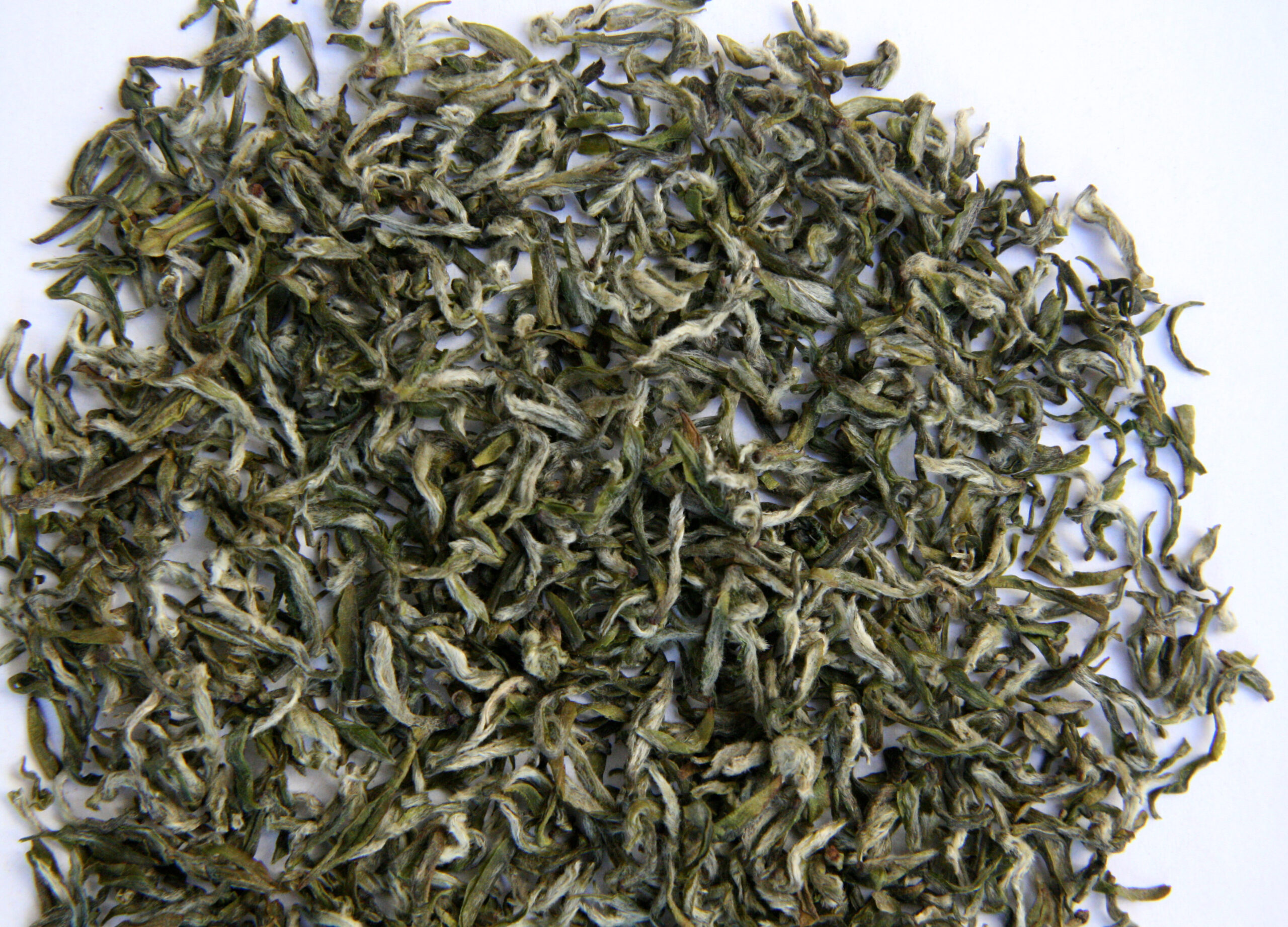
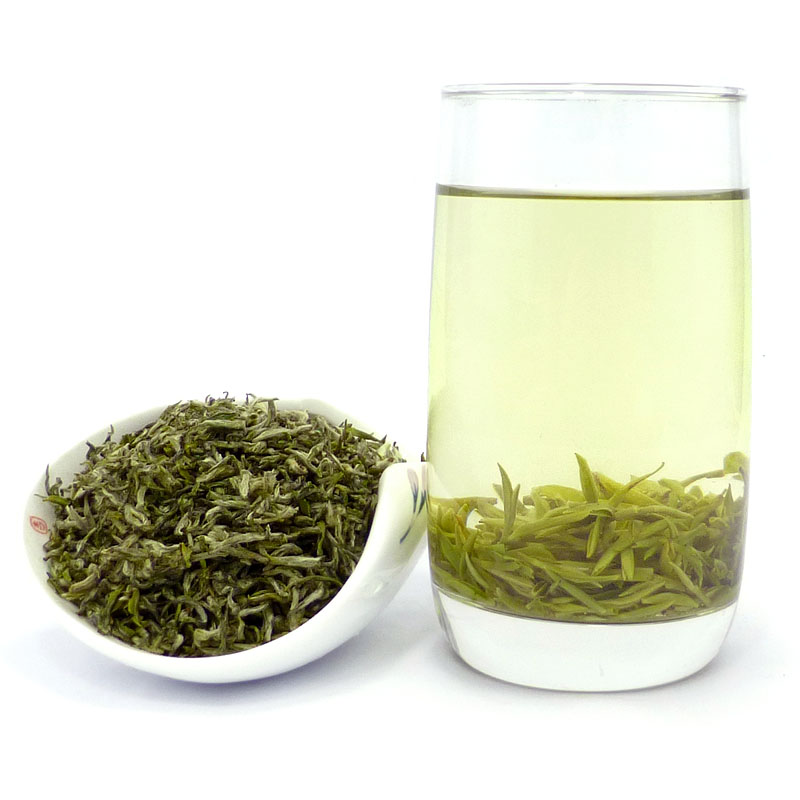
“Mengding sweet dew” – the first spring harvest of exceptional and famous green tea from Meng Ding mountain. The tea consists only of small twisted buds and leaves with rich hairiness.
Infusion of light yellow color full and refreshing taste with a distinctly sweet and long-lasting aftertaste.
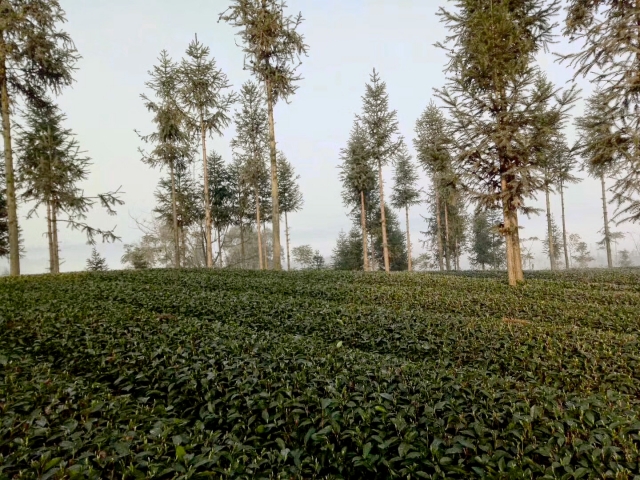
Gan Lu is a very famous and sought-after tea in China. Legend has it that the variety of tea tree for its production was first cultivated by a Buddhist monk known as Wu Li Zen. After the monk reached nirvana, the locals gave this tea the nickname Xian Cha, or tea of the immortals. Only tea from the leaves collected on the misty peaks of Meng Ding Mountain can be considered real.
| Weight | N/A |
|---|---|
| Origin | |
| Place | |
| Harvest | |
| Designation | |
| Character |
Related products
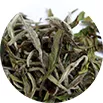
Hua Cha White King
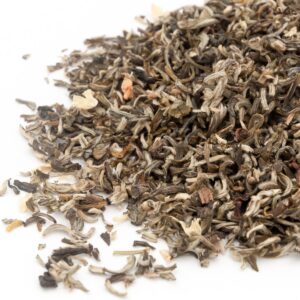
"White King"-Jasmine tea is produced in many provinces in China and is very popular (especially in the north of the country). The tea can be dried with jasmine and its odor can be absorbed, or the jasmine can be added directly to the tea. In this way, the tea acquires the aroma of jasmine, but still retains its original taste. Jasmine tea is light and pleasant. "White King" itself is a relatively high-quality green tea with rich fluff, but the addition of jasmine further improves its quality.
The white king we provide is mixed with fresh autumn jasmine in a ratio of 4:1 (gradually use 4 kg of jasmine per 1 kg of tea).
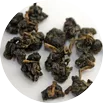
Genmaicha
Bi Tan Piao Xue
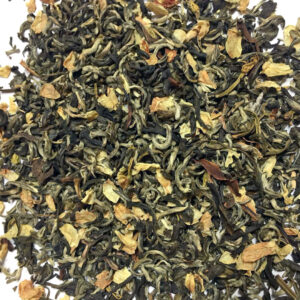
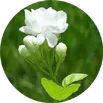
"Snow Falling on Jade-Green Pool" - a beautifully poetic name hides a high-quality green tea from the early spring harvest from Mount Meng Ding which was richly scented with the best autumn jasmine, even in a ratio of 5: 1 (5 kg of jasmine flowers were used per 1 kg of tea).
Jasmine flowers are also abundant in the tea itself (although they no longer add other aromas - they have an aesthetic effect and give meaning to the poetic name of the tea).
The tea is a distinctly jasmine-sweet fruit flavor with a rich aroma that lasts for many pours.