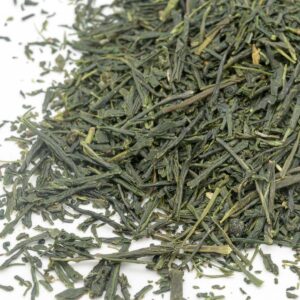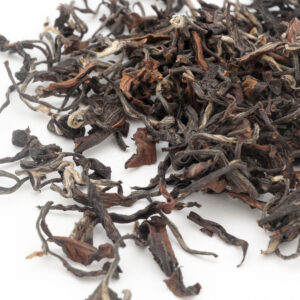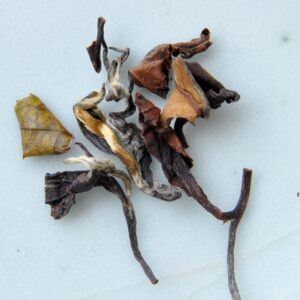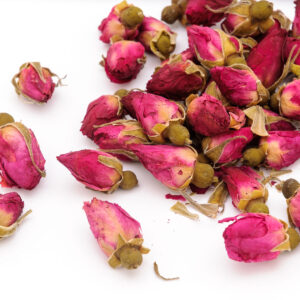


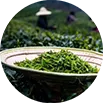


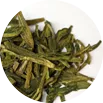
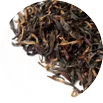
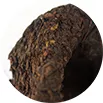
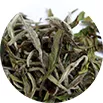
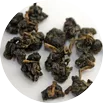

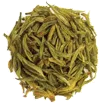
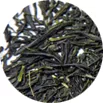
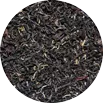








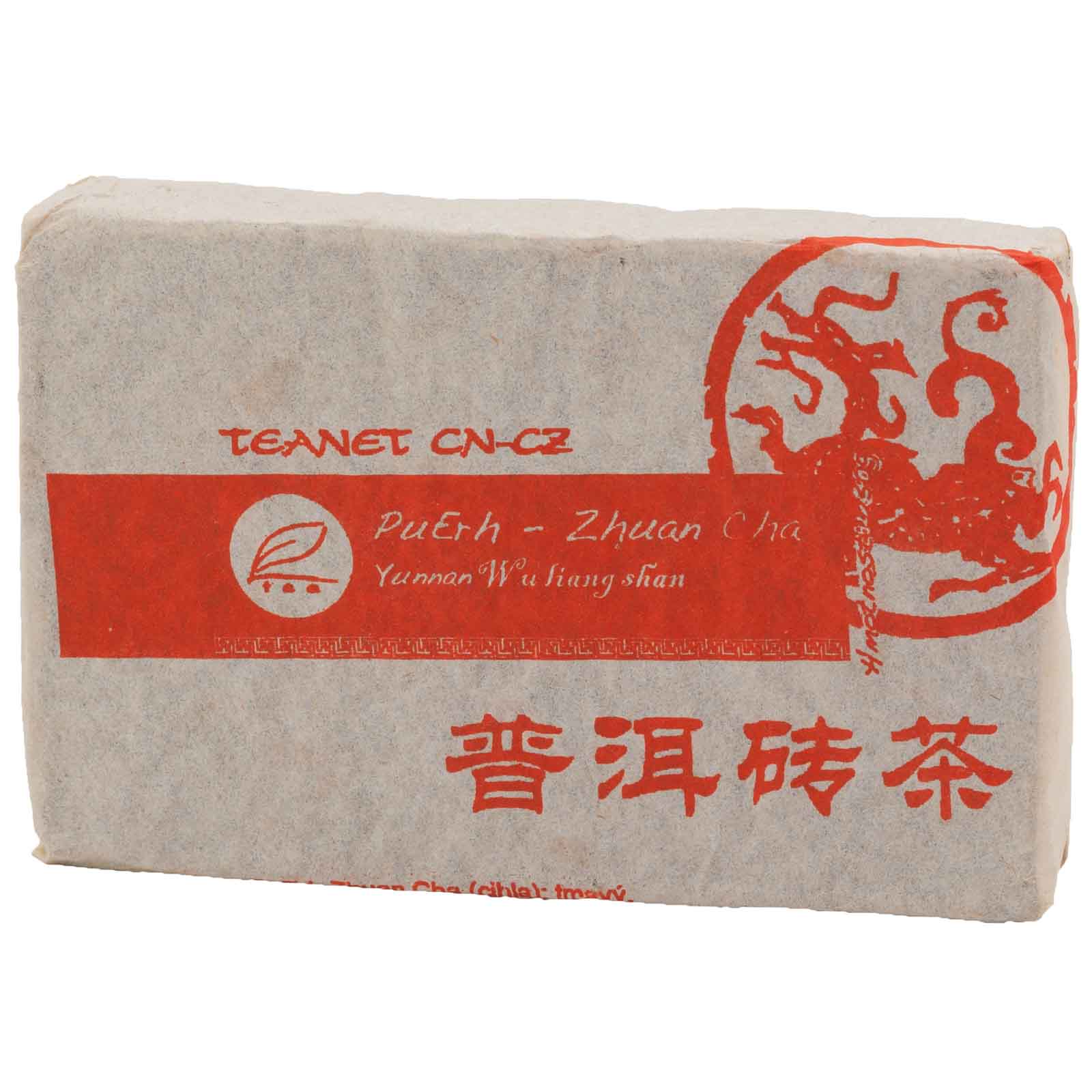
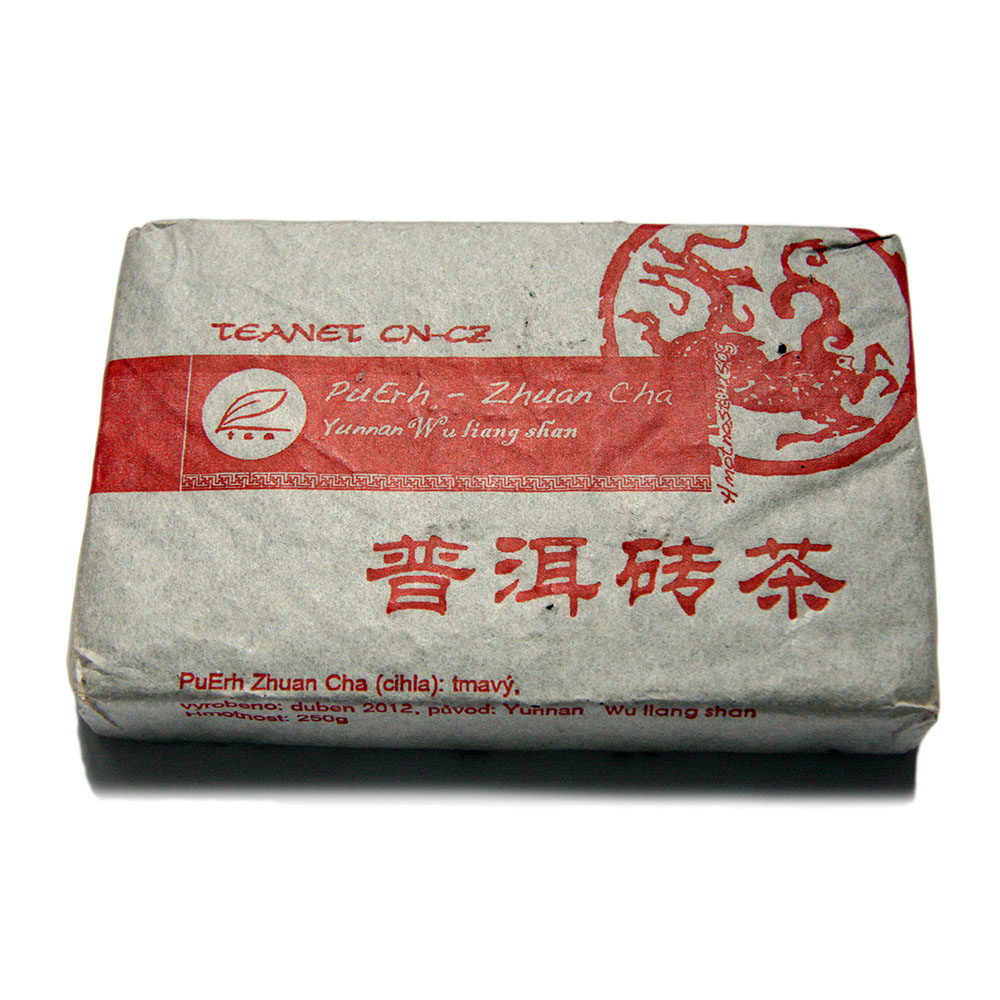
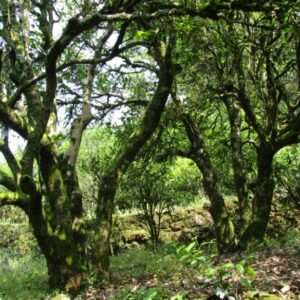
The tea was fermented and pressed from maocha 毛茶 originating from Wu Liang Shan (Jing Dong, Simao, 1800-2000 m.n.m.) from the spring production of 2012.
From the same area, we offered a wide range of dark and green pu’er of various qualities, from small wild cakes, through bricks and nests to large bricks.

Teanet 2012 Wu Liang Shan Zhuan Cha 250g
Basic dark pu’er for everyday drinking pressed into a classic brick (zhuan cha) weighing 250g.
Full & distinctive taste, dark color, sweet aroma and many infusions.
Description
Additional information
| Weight | 250 g |
|---|---|
| Brand | |
| Origin | |
| Place | |
| Harvest | |
| Designation | |
| Balení |
About Orijin Tea
Under our own brand Orijin Tea (formerly Teanet CN-CZ) we have been pressing our own pu'er teas since 2004. We are also working closely with green tea producers from Sichuan (Meng Ding) and Zhejiang (Long Jing).
Related products
Ba Xian Xiang
"Eight Immortals"-It is said that this tea can find up to eight different aromas, namely eight aromas. But everyone usually only feels one or two more tones than others. The aroma of this tea is thinner, more permeable, and also has a rich sweetness. The aroma of fruits is reminiscent of apples, a little orchid, and many other fruits...