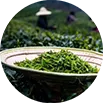
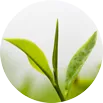
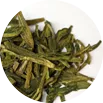
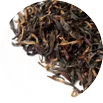
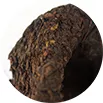
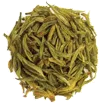
Another beautiful red tea from the Wu Yi Mountains, known mainly for dark cliffs (yancha) oolongs, or for the famous ‘smoky’ and the first red tea in the history of ‘Lapsang’. Red tea in general has enjoyed increased interest in China in recent years. Their offer is now more varied and interesting than before!
Wu Yi Hong Cha
Please, login to see prices and buy
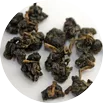
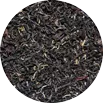
Slightly twisted, large, dark leaf with a delicate malt aroma, aromatic fruit after pouring.
Golden-orange color, richly fruity, wildly sweet taste in many infusions.
Processed from the wild (Ye Sheng) cultivar Qi Zhong 奇种.
| Weight | N/A |
|---|---|
| Origin | |
| Place | |
| Harvest | |
| Character |
Related products
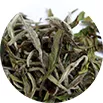
Bi Tan Piao Xue
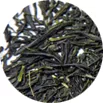
"Snow Falling on Jade-Green Pool" - a beautifully poetic name hides a high-quality green tea from the early spring harvest from Mount Meng Ding which was richly scented with the best autumn jasmine, even in a ratio of 5: 1 (5 kg of jasmine flowers were used per 1 kg of tea).
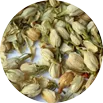
Jasmine flowers are also abundant in the tea itself (although they no longer add other aromas - they have an aesthetic effect and give meaning to the poetic name of the tea).
The tea is a distinctly jasmine-sweet fruit flavor with a rich aroma that lasts for many pours.
Momordica Charantia (ku gua)
Momordica charantia (ku gua) - creeping or creeping, pumpkin-like plant with herbaceous shoots up to 5 m long. Its tendrils are branched, leaves typically palmately five to seven-lobed, flowers unisexual, five-fold, yellow in color, with distinct veins. The fruits are 5-25 cm long, spindle-shaped, with a wrinkled surface, ripening yellow. The plant has been introduced to virtually all tropical areas.
Lycium Chinense (goji)
Fresh, only lightly dried Lycium chinense (goji, wolfberries), which has been used throughout China for centuries.
The shape is a bit like raisins, the taste of the fruit is sweet with a slightly sour aftertaste.
In traditional Chinese medicine (TCM) and among ordinary Chinese, goji is considered an indispensable food supplement. It is known for its benefits to the human body, both in young and old age. No negative side effects are known.
Hawthorn Berries (shan za)
Dried hawthorn berries (shan-zha, lat. Crataegus cuneata) - helps good digestion, removes fats from blood vessels, lowers blood cholesterol levels and breaks down fatty acids (which helps it lose weight), lowers blood pressure and has heart-specific antioxidant effects, which can help fight most heart diseases.