

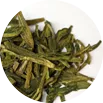
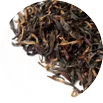
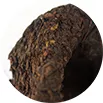
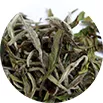
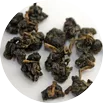

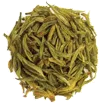
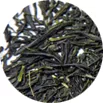
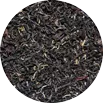


The term Ming Qian Cha – 明前茶 Before Qing Ming, i.e., harvested in early spring when the leaves are supposedly of the highest quality, assuming e.g. the cultivar has not been solely developed for an early pluck. It literally means teas harvested before the spring festival of Qing Ming-清明 (early April).

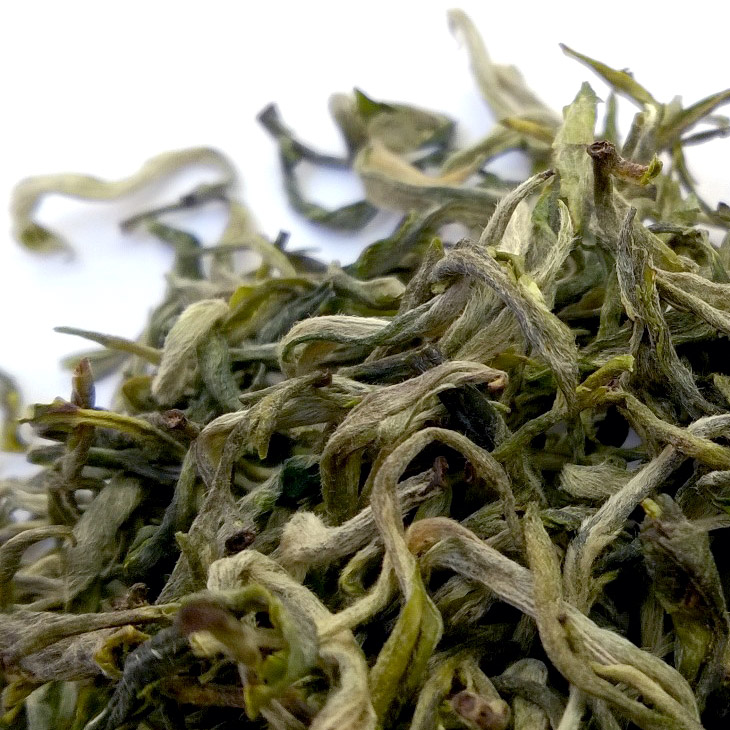
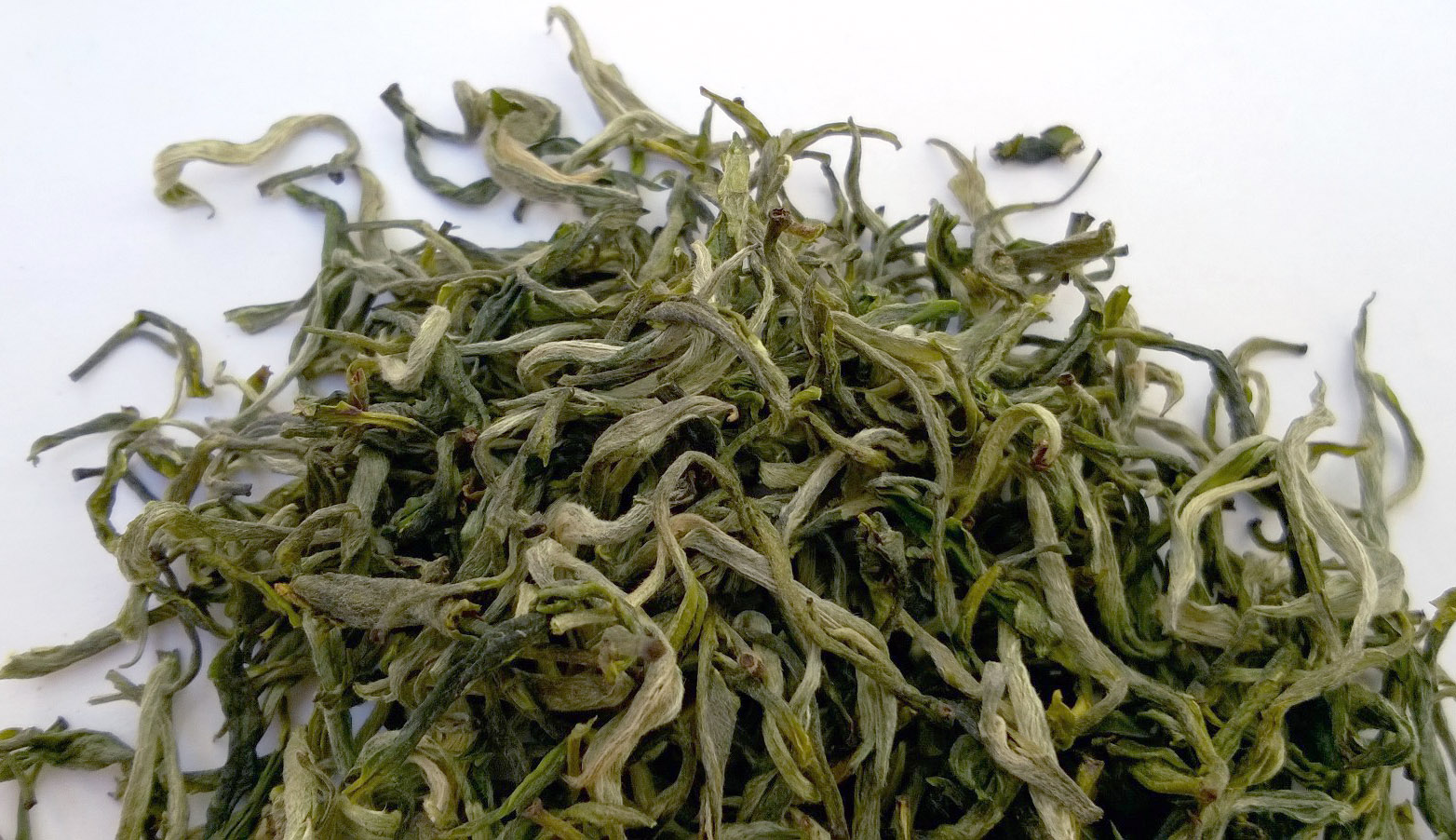
Yunnan Cui Ming
“Green Spring” – a higher variety of green tea from Yunnan from the early harvest, full of spring energy.
Medium-sized, regularly twisted leaf. A large proportion of petals combined with a bud and two apical petals. It comes from one of the ecologically cleanest Yunnan tea plantations.
Infusion of light yellow color and fresh aroma with a slightly spicy floral-fruit component, which finally sweetens on the palate and lets a pleasantly sweet aftertaste fade away.
Additional information
| Weight | N/A |
|---|---|
| Place | |
| Harvest | |
| Cultivar | |
| Designation | |
| Character | |
| Brand |
About Land Sun Tea
Premium producer of green, red and pu'er teas based in Yunnan province. Land Sun Tea = Long Sheng 龙生. The Land Sun Tea brand is used mainly for export, while Long Sheng 龙生 branding for the Chinese domestic market.
Related products
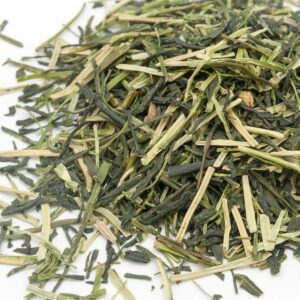
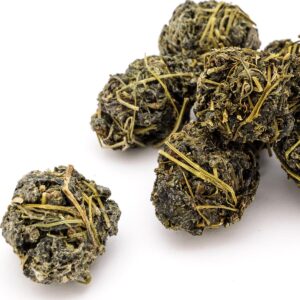
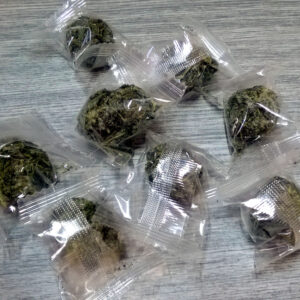
Five-leaved Ginseng (jiao gu lan)
Ceratophyllum or Gynostemma is a climbing plant from the pumpkin family, which originated in southern China. Low temperature resistance to -15°C. In winter, the above-ground part disappears, but reappears in spring. It can also be planted in pots. This plant is sometimes called five-leaf ginseng or southern ginseng; it has nothing to do with real ginseng (Panax ginseng).
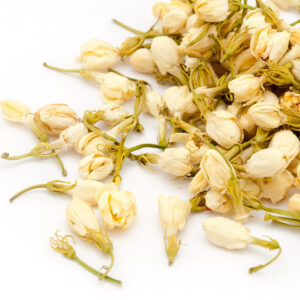
Jasmine Flower (mo li hua)
Dried jasmine flower (moli-hua), Jasminum Sambac. It comes from China, from where it spread further to Arabia and Persia and from there to Europe. It is an evergreen climbing plant or shrub, which grows to a height of 0.5-3 m. According to Chinese medicine, it improves eyesight and promotes smooth menstruation.