

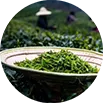
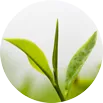

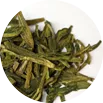
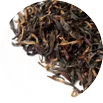




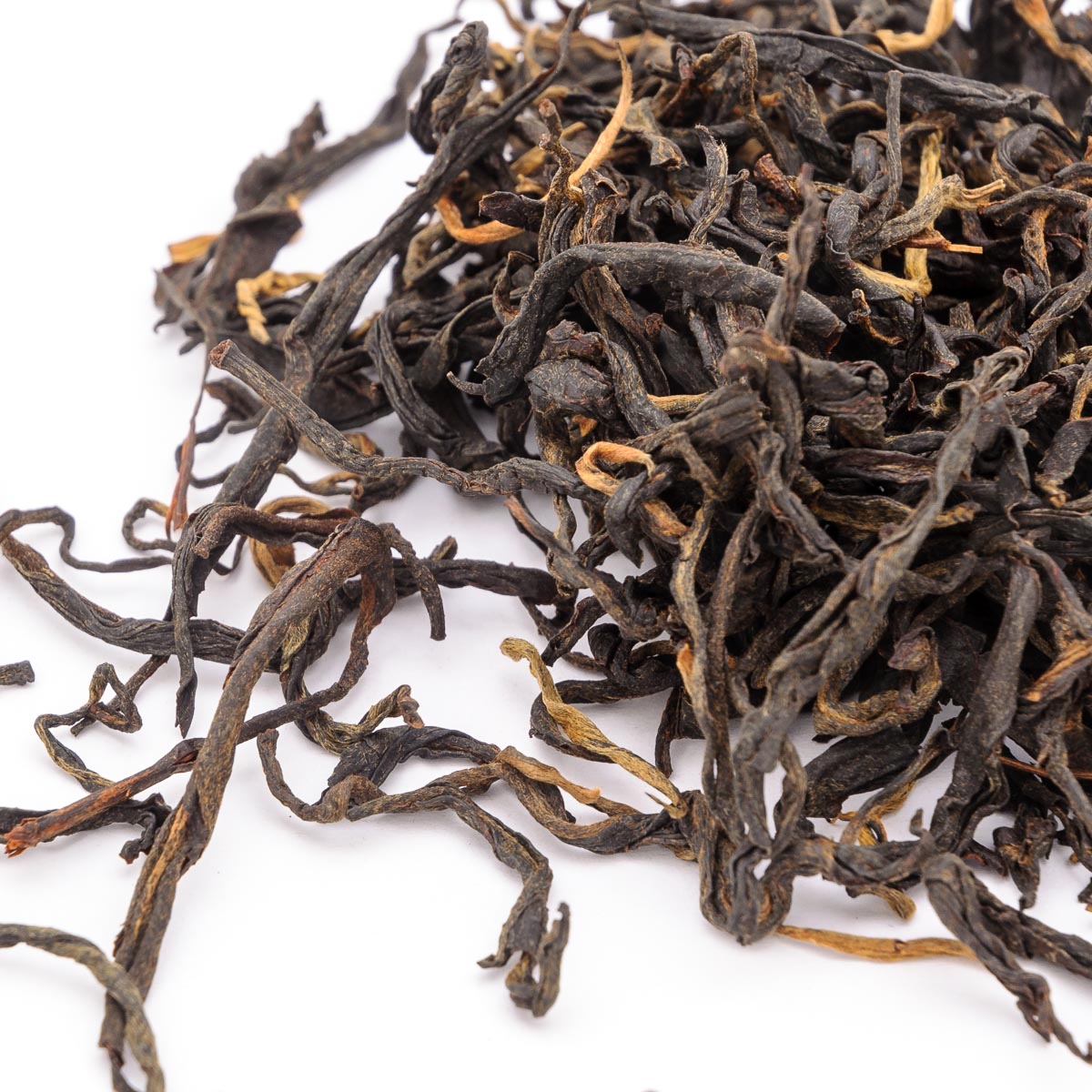
Yunnan Da Ye
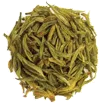
Yunnan Hong Cha [jun-nan hong ča] – Basic and most common Chinese red tea. In China, all middle-class red teas from Yunnan belong to this group. The only condition is the production of teas from the Yunnan Da Ye cultivar, ie a large-leaved variety of the Yunnan tea tree. The higher the proportion of golden tips, the higher the tea, the smoothness is less welcome – it means a higher drying temperature and thus faster tea production.
The color of the infusion is orange-red to light brown, the tea smells like prunes, the taste is full, massive, when properly prepared, it is not bitter at all, aftertaste is significantly sweet to honey. Excellent tea for a great price.
Related products
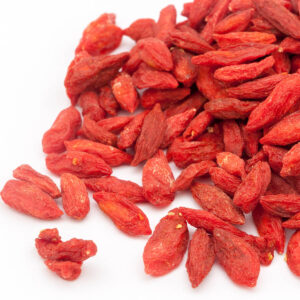
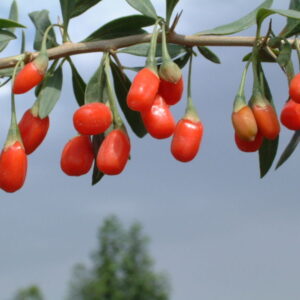
Lycium Chinense (goji)
Fresh, only lightly dried Lycium chinense (goji, wolfberries), which has been used throughout China for centuries.
The shape is a bit like raisins, the taste of the fruit is sweet with a slightly sour aftertaste.
In traditional Chinese medicine (TCM) and among ordinary Chinese, goji is considered an indispensable food supplement. It is known for its benefits to the human body, both in young and old age. No negative side effects are known.
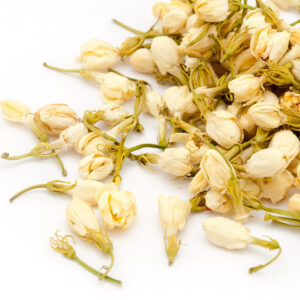
Jasmine Flower (mo li hua)
Dried jasmine flower (moli-hua), Jasminum Sambac. It comes from China, from where it spread further to Arabia and Persia and from there to Europe. It is an evergreen climbing plant or shrub, which grows to a height of 0.5-3 m. According to Chinese medicine, it improves eyesight and promotes smooth menstruation.