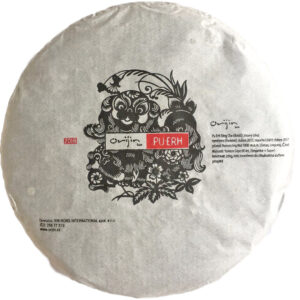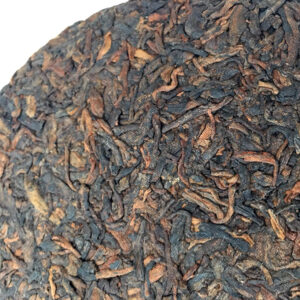


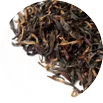
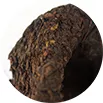
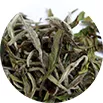
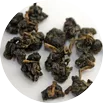

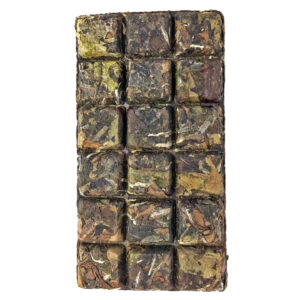
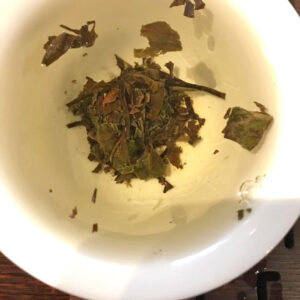
Gong Mei 2018 pressed 100g
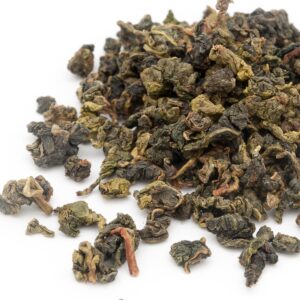
Gui Hua
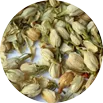
"Osmanthus" - Taiwanese oolong with the scent of osmanthus. There are several methods by which a similar tea aroma is achieved. Our Gui Hua is made by the traditional method.The infusion gives a yellow color with a thin scent full of osmanthus and citrus tones, slightly sour and refreshing, which will withstand many infusions.
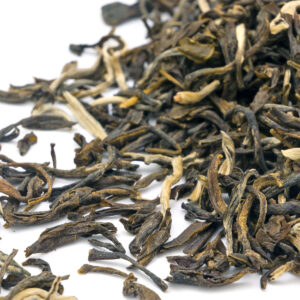
Hua Cha White King
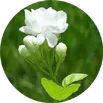
"White King"-Jasmine tea is produced in many provinces in China and is very popular (especially in the north of the country). The tea can be dried with jasmine and its odor can be absorbed, or the jasmine can be added directly to the tea. In this way, the tea acquires the aroma of jasmine, but still retains its original taste. Jasmine tea is light and pleasant. "White King" itself is a relatively high-quality green tea with rich fluff, but the addition of jasmine further improves its quality.
The white king we provide is mixed with fresh autumn jasmine in a ratio of 4:1 (gradually use 4 kg of jasmine per 1 kg of tea).
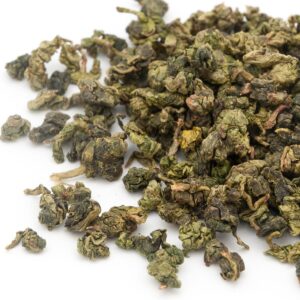
Huang Jin Gui
Keemun Mao Feng
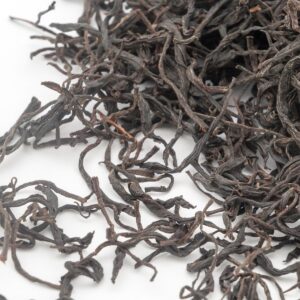
"Qimen Mao Feng" or "Qimen Fur Peak " - the top class of Keemun, the highest level in our offer. Unlike the lower classes, the leaves are not processed by machine but exclusively by hand. This makes the infusion cleaner and more balanced.The taste is thin, fresh with a very pleasant and long aftertaste. Flower and fruit tones, lightly chocolate, are significantly represented.The dry leaf is long, thin, slightly twisted. Multi-infusion tea more than suitable for preparation in the style of Gong Fu Cha.
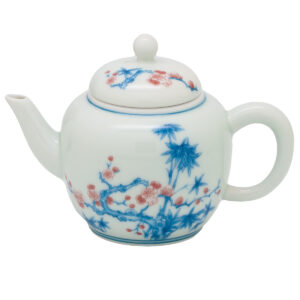
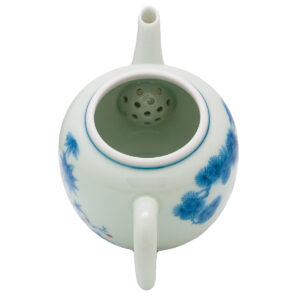
Konvička tři přátelé zimy
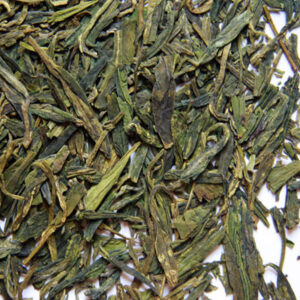
Lung Ching Xi Hu
"Dragon Well from West Lake". Lake 'Xi Hu' is located near Hangzhou in eastern China. The monastery plantations around it were known from the time of the Classical Book of Tea by Lu Yüe (758 AD).Lung Ching belongs to spring teas and the best collection comes from the same period. The process of sorting, drying and roasting should be followed exactly for the production of real Lung Ching. The tea has flat leaves, a strong aroma and is sweet and beautifully fragrant in the infusion.
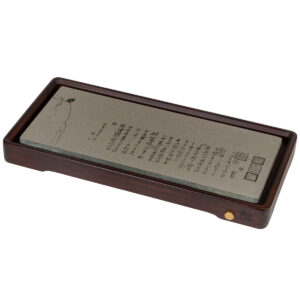
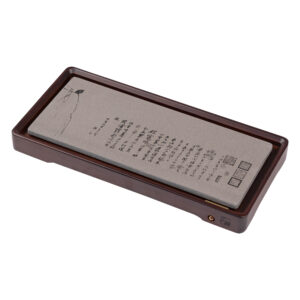
Moře bambus-kámen znaky
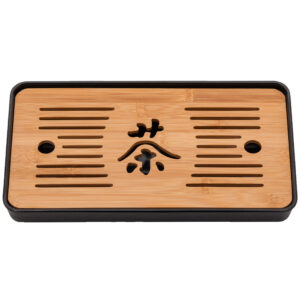
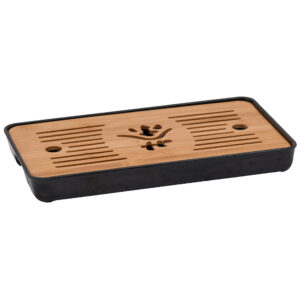
Moře malé cha