Fresh Harvest
New Arrivals
Sustainable Agriculture
Green
Red / Black
Puer & Dark
White
Oolong
Jasmine
Yellow
Japanese
Indian
Herbal
New
Glass
Porcelain
Yixing
Cast Iron
Tea Tables
Accessories
Sets
Kamjove
Doypacks / Other
Showing 337–348 of 558 results
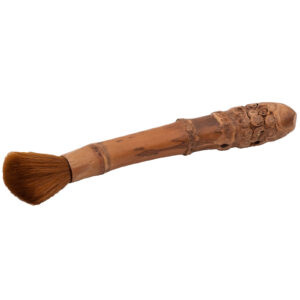
Gong Fu Cha style brush for caring Yixing teapots.Material: Old bamboo and fine fiber.
Please, login to see prices and buy
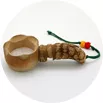
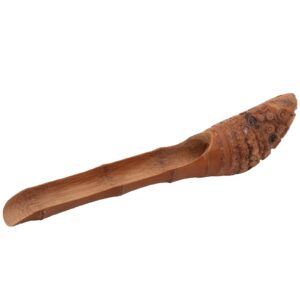
Bamboo tea scoop made of old bamboo.
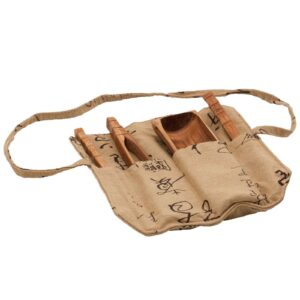
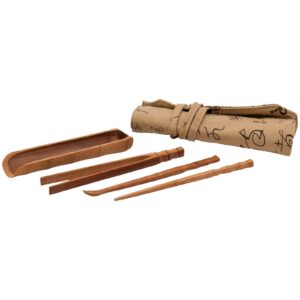
Practical travel set of tea utensils for the gongfu tea ceremony.
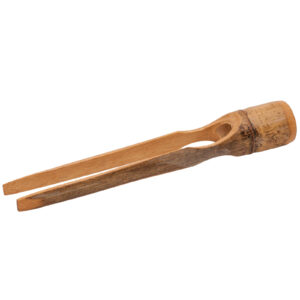
Simple tweezers made of old bamboo for handling cups during a gongfu ceremony.
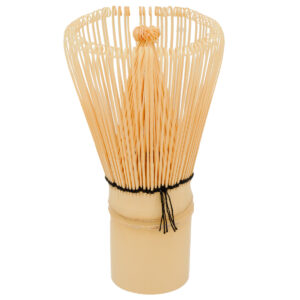
Bamboo whisk chasen for whipping and making Matcha tea. Fine bamboo fibers (60-80) will help to whip the tea beautifully.
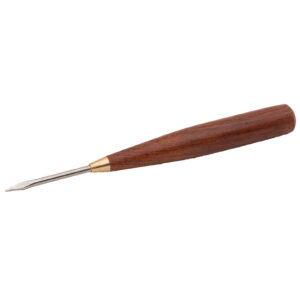
Needle for convenient division of pu-erh or other pressed teas.
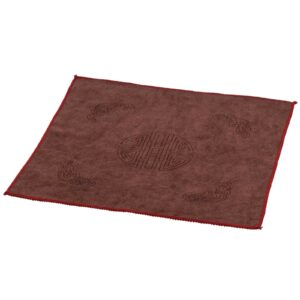
Dark brown tea towel for the gongfu ceremony.
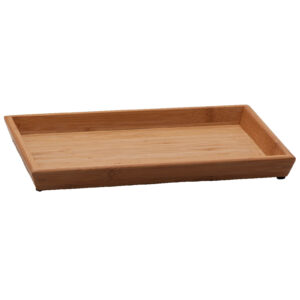
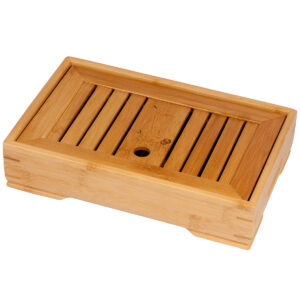
Small bamboo tea tray with a high edge.
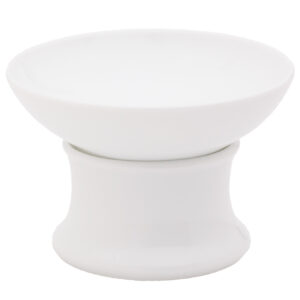
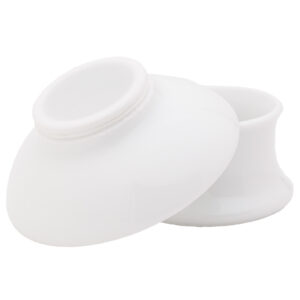
White porcelain sieve with fine sieve. Made of quality porcelain from Jing De Zhen.
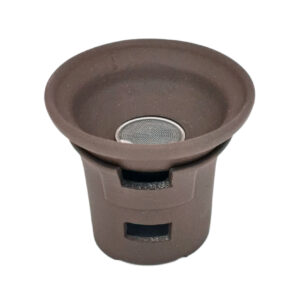
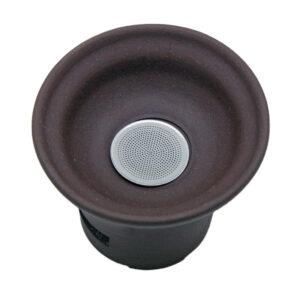
Yixing strainer with a fine metal filter that can be removed and cleaned.
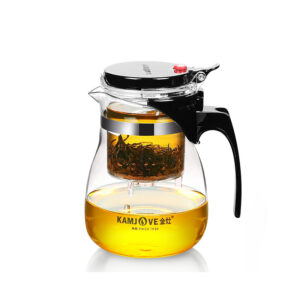
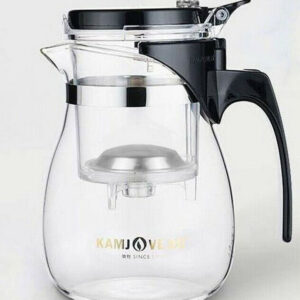
A new generation glass kung fu teapot.
New improved design with a more durable strainer.
Username or email address *
Password *
Log in
No account yet?