




Showing 61–72 of 96 results

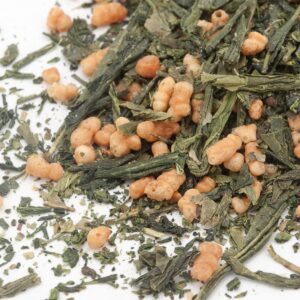
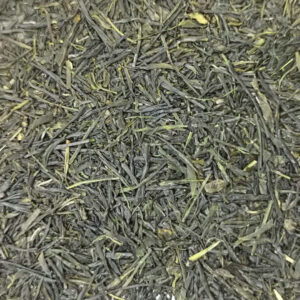
Genmaicha

Japanese green tea Bancha mixed with finely fried rice, which gives it a special bread-sweet taste. In translation, the name means "Tea with unpolished rice".

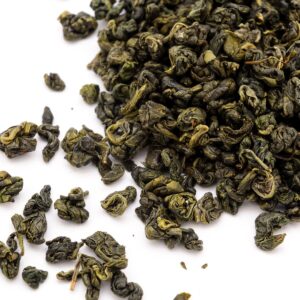
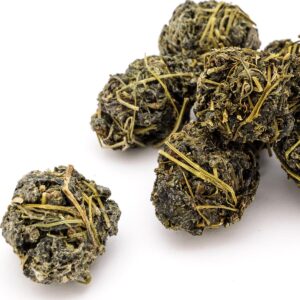
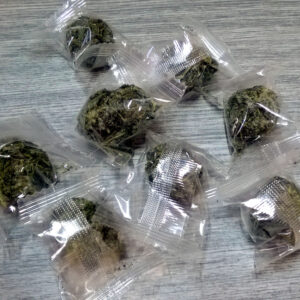
Gunpowder

Gunpowder in the West, Zhu Cha (pearl tea) in China. It is an important export item, although it is not very popular in China itself. It is popular in the West due to its shape - the leaves are wrapped in small granules, which makes more tea reminiscent of gunpowder. Thanks to this, this tea is resistant to aging and absorption of odors (it is better transported). The infusion is yellow-green in color, tastes very strong and quite bitter, but contains a lot of healthy nutrients as well as other green teas, including tea polyphenols, zinc, flavonoids and fluoride. It is interesting in combination with mint and a lot of sugar - a drink known as "Le Tuareg".

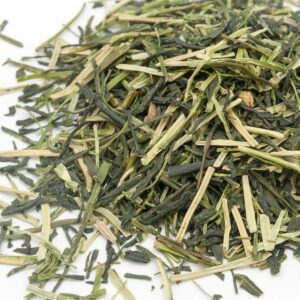
Kukicha

Traditional Japanese tea varieties process not only leaves but also petioles. Therefore, the tea has the characteristics of freshness, sweetness and low caffeine content.


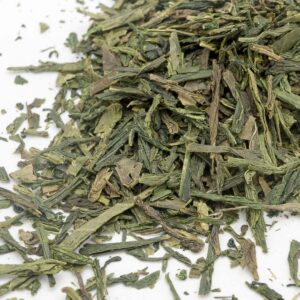
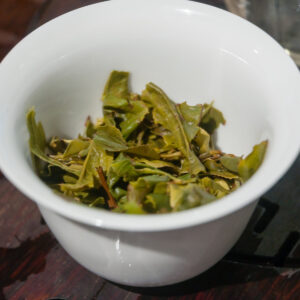
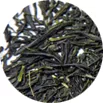
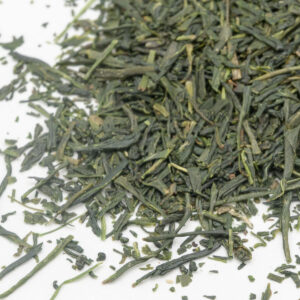
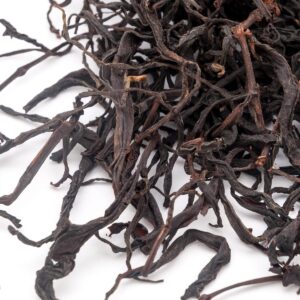
Sencha Ryokucha

Traditional daily Sencha. It has the typical characteristics of strong taste and rich aroma.

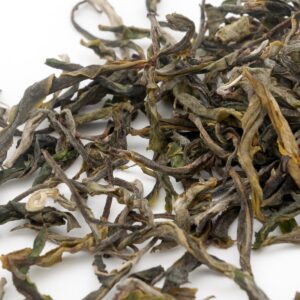
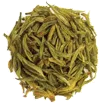
Yunnan Mao Jian 2024

Svěží aromatický zelený čaj z výše položených zahrad na hoře Wu Liang Shan (1670 m.n.m.). Tmavozelený stejnoměrný list se znatelným podílem stříbřitých tipsů.List svěží vůně se stopou ovoce, nálev jiskřivé žlutozelené barvy, čerstvé silnější chuti s ovocným nádechem a typickou stopou vůně kaštanových květů. Aftertaste v dalších nálevech příjemně sládne a vyniká ovocná chuť.

Bamboo Leaf (zhu ye)

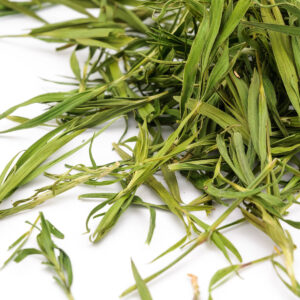
Bamboo leaves from Lao Shan in Shandong Province. In Chinese medicine, it is traditionally used against fever and heat, it also has an anti-inflammatory and beneficial effect on the kidneys, it is diuretic, removes mucus and has a relaxing effect on veins. Overall, it cleanses the airways, refreshes and quenches thirst, so it is very suitable for drinking during the summer and hot days.
Chrysanthemum (ju hua)

Selected white chrysanthemum flowers-improve eyesight, nourish the liver, and treat high blood pressure. Traditionally, it is mixed with pu-erh.

Five-leaved Ginseng (jiao gu lan)

Ceratophyllum or Gynostemma is a climbing plant from the pumpkin family, which originated in southern China. Low temperature resistance to -15°C. In winter, the above-ground part disappears, but reappears in spring. It can also be planted in pots. This plant is sometimes called five-leaf ginseng or southern ginseng; it has nothing to do with real ginseng (Panax ginseng).
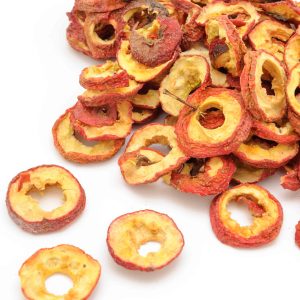
Hawthorn Berries (shan za)

Dried hawthorn berries (shan-zha, lat. Crataegus cuneata) - helps good digestion, removes fats from blood vessels, lowers blood cholesterol levels and breaks down fatty acids (which helps it lose weight), lowers blood pressure and has heart-specific antioxidant effects, which can help fight most heart diseases.
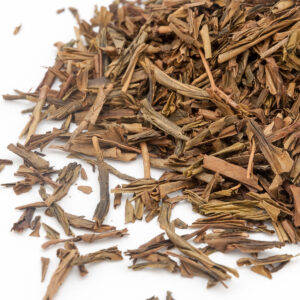
 

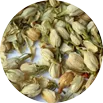
Jasmine Flower (mo li hua)

Dried jasmine flower (moli-hua), Jasminum Sambac. It comes from China, from where it spread further to Arabia and Persia and from there to Europe. It is an evergreen climbing plant or shrub, which grows to a height of 0.5-3 m. According to Chinese medicine, it improves eyesight and promotes smooth menstruation.

Momordica Charantia (ku gua)

Momordica charantia (ku gua) - creeping or creeping, pumpkin-like plant with herbaceous shoots up to 5 m long. Its tendrils are branched, leaves typically palmately five to seven-lobed, flowers unisexual, five-fold, yellow in color, with distinct veins. The fruits are 5-25 cm long, spindle-shaped, with a wrinkled surface, ripening yellow. The plant has been introduced to virtually all tropical areas.


Rose Flower (mei gui hua)

Rose flower (mei gui hua) - cleanses and nourishes the skin, detoxifies, has an anti-inflammatory effect, nourishes the liver, improves eyesight, increases the body's overall defenses.