

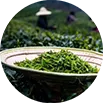
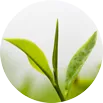
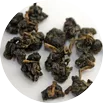

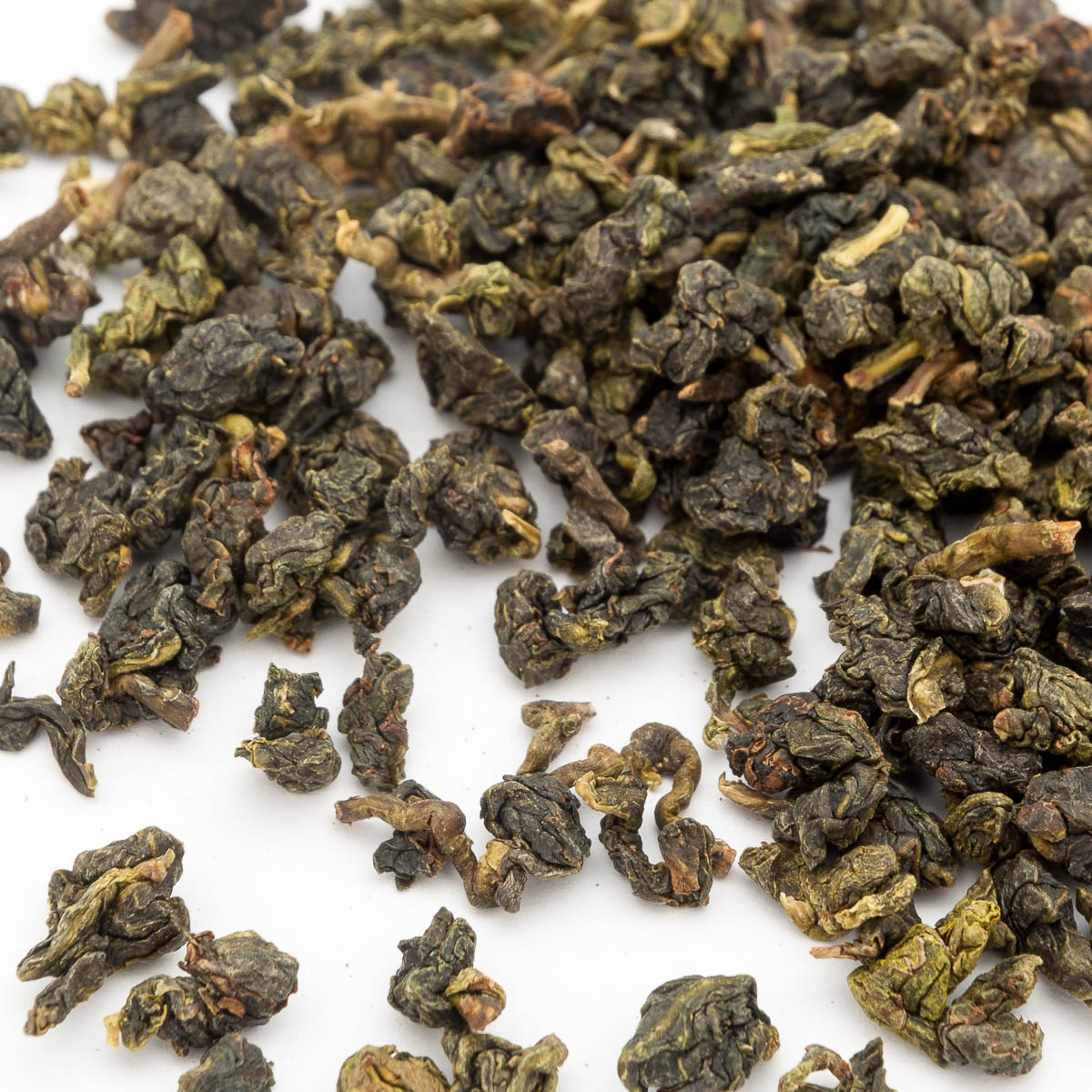
The tradition of Taiwanese oolongs is relatively young – the oldest of them, Dung Ding, is not more than 150-180 years old. In addition, the main representatives of the “Golden Crown of Taiwan” (Li Shan, A-Li Shan, Da Yu Ling) are creations from the second half of the 20th century. In the same way, the tea made from the Si Ji Chun cultivar bearing the same name is really young. The vast majority of Taiwanese teas are produced by machine in factories, and only a certain part can bear the adjective ‘shou zi – handmade art’, ie teas harvested and produced only by hand. Such teas are, in a sense, a rarity and are usually considerably more expensive than machine-made conventional oolongs of daily consumption.
Si Ji Chun
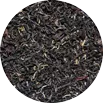
“Spring all year round” – The aroma of dry tea is strong and deep, the infusion smells wonderful, very distinctive but clean and gentle. The real Si Ji Chun always has a strong scent, so strong that it fills the whole room.
Its taste is reminiscent of alpine oolongs – sour-sweet with tones of berries, raspberries, lemons, limes, honey and mountain flowers and of course orchids!
Tea aftertaste is very long and clean. Tea has an excellent refreshing and relaxing effect, it will lift your mood. Like any quality oolong, it is good for blood circulation, blood vessels and also fights aging.
Additional information
| Weight | N/A |
|---|---|
| Origin | |
| Place | |
| Harvest |
Related products
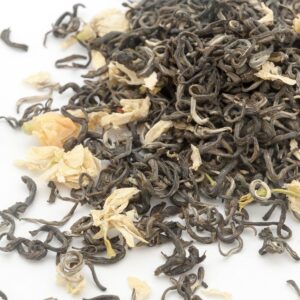
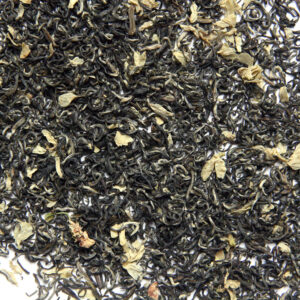
Bi Tan Piao Xue
"Snow Falling on Jade-Green Pool" - a beautifully poetic name hides a high-quality green tea from the early spring harvest from Mount Meng Ding which was richly scented with the best autumn jasmine, even in a ratio of 5: 1 (5 kg of jasmine flowers were used per 1 kg of tea).
Jasmine flowers are also abundant in the tea itself (although they no longer add other aromas - they have an aesthetic effect and give meaning to the poetic name of the tea).
The tea is a distinctly jasmine-sweet fruit flavor with a rich aroma that lasts for many pours.
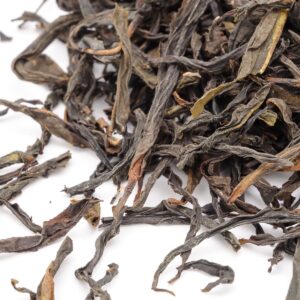
Huang Zhi Xiang
The aroma of tea is sweet and fruity, floral, citrus and peach aromas. In more and more brewing processes, the color of the infusion changed from soft golden pink to amber. The taste is obviously fruity, sweet and refreshing. The aftertaste is strong honey with a gooseberry hue.
This tea can withstand many brews and is definitely one of the most unique teas in our collection at an affordable price, but it is also of high quality.